
Tattoo culture has shifted over the past few years. Studios that once focused purely on artistry and hygiene are now paying closer attention to how clients feel during the session itself. Comfort matters, perhaps more than people realize, and the rise of longer, more detailed work has made this conversation hard to ignore.
A Quiet Shift in How Studios Approach Client Care
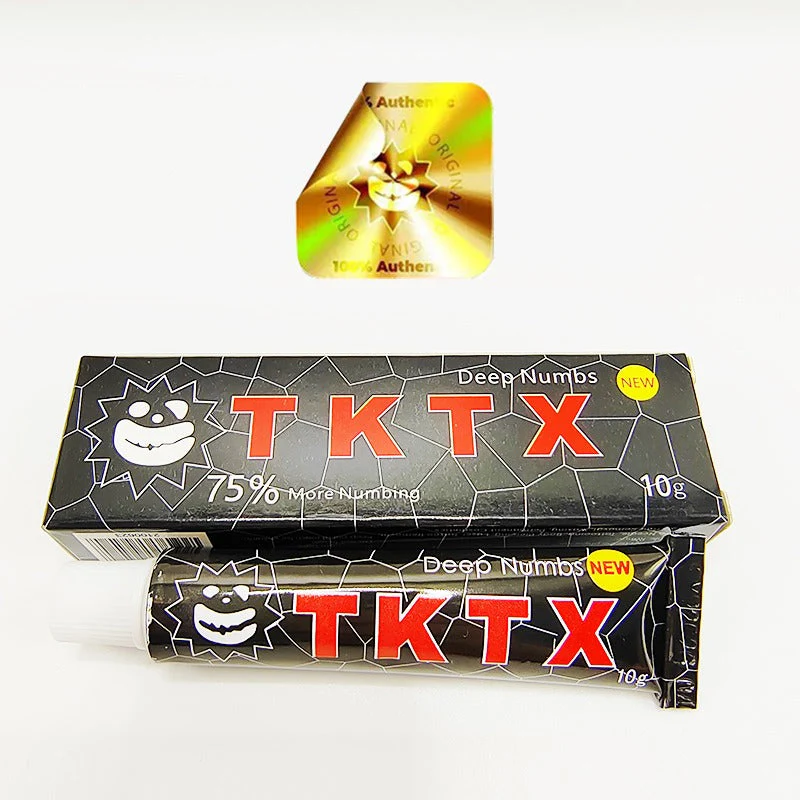
Studios Treating Comfort as a Service Standard: Many studios now treat physical comfort as part of their service standard rather than an afterthought. TKTX has become a familiar name in this space, with artists and clients turning to topical numbing options that help support calmer, more manageable sessions during extended tattoo work across Australian studios.
Why Client Experience Now Sits Alongside Craft: Word travels fast in tattoo communities. Clients talk about how a studio felt, not just how the linework looked. That feedback loop has pushed shops to think harder about the full experience, including how they handle pain, breaks, and the small things that make a five-hour session feel bearable.
When the Chair Starts Feeling Longer Than Expected
The Reality of Extended Tattoo Sessions: Sitting still for hours is harder than most first-timers expect. The body tenses, the skin gets sensitive, and concentration starts to slip. This is where TKTX tattoo numbing cream options have found a steady place in modern preparation routines, giving artists and clients a way to push through longer pieces with fewer interruptions and less visible flinching.
How Discomfort Quietly Affects the Final Result: When a client keeps shifting, the artist has to keep adjusting. Lines can suffer. Shading takes longer. A calmer body usually means a cleaner outcome, which is something experienced artists tend to mention almost in passing, like it’s obvious, though clients new to the chair rarely think about it that way.
Where Numbing Products Fit Into a Modern Session
Topical Anesthetic Use in Body Art Settings: The use of topical anesthetic products has grown alongside the demand for fine-line work, full sleeves, and large-scale back pieces. These products are typically applied before the session begins, giving the skin time to settle before the needle starts its work, which can change the tone of the entire appointment.
Common Reasons Clients Reach for Numbing Support: Plenty of people simply want to get through the session without gritting their teeth. Others have lower pain thresholds, sensitive areas to tattoo, or medical reasons to avoid prolonged discomfort. The reasons vary, and that variety is part of why these products have become a normal part of the conversation.
What Clients Tend to Notice About Comfort-Focused Studios
- Artists often ask about pain tolerance before quoting longer sessions, which signals a more thoughtful approach to the appointment.
- Studios may offer guidance on preparation, including hydration, food, and rest, before the day of the tattoo.
- Some shops keep numbing options on hand or recommend trusted ones clients can apply at home before arrival.
- Break schedules are discussed openly, especially for sessions running past three hours, which helps both parties plan.
- Aftercare advice tends to be more detailed, covering the first 48 hours when the skin is most reactive.
The Role of Skin Preparation in a Smoother Appointment
Why Preparation Starts Before the Stencil: Good preparation begins well before the artist places the stencil on the skin. Hydrated, clean, well-rested skin tends to handle the needle better, and clients who arrive in that state often report easier sessions. Skin barrier function plays a quiet role here, since healthier skin tolerates the mechanical stress of tattooing with less reactivity.
Small Choices That Shape the Session: What you eat the night before, how much water you drink, and whether you’ve slept all factor in. None of these are dramatic on their own. Together, they shape how the body responds when the session stretches past the two-hour mark, which is roughly when most people start to feel the wear.
How Artists Are Adapting to Client Expectations
Open Conversations About Pain and Process: Artists today are more open about discussing pain than they were a decade ago. The old idea that tattoos must hurt to count has faded. Most professionals now see no reason for a client to suffer unnecessarily, especially when modern preparation options exist and the results don’t suffer for it.
Building Trust Through Honest Communication: Trust between artist and client matters. When an artist explains the process, acknowledges the discomfort, and offers practical suggestions, the session usually goes smoother. That kind of honest exchange has become a quiet hallmark of studios that take client care seriously, even if they don’t market themselves that way.
Stepping Into a More Comfortable Tattoo Future
Tattooing is changing, and comfort is no longer a fringe topic. Studios that prioritize client experience tend to build stronger reputations, and clients who prepare well tend to walk away happier with both the process and the piece. If you’re planning a longer session, take the time to research your options, talk openly with your artist, and explore numbing solutions that fit your skin and your needs before the day arrives.