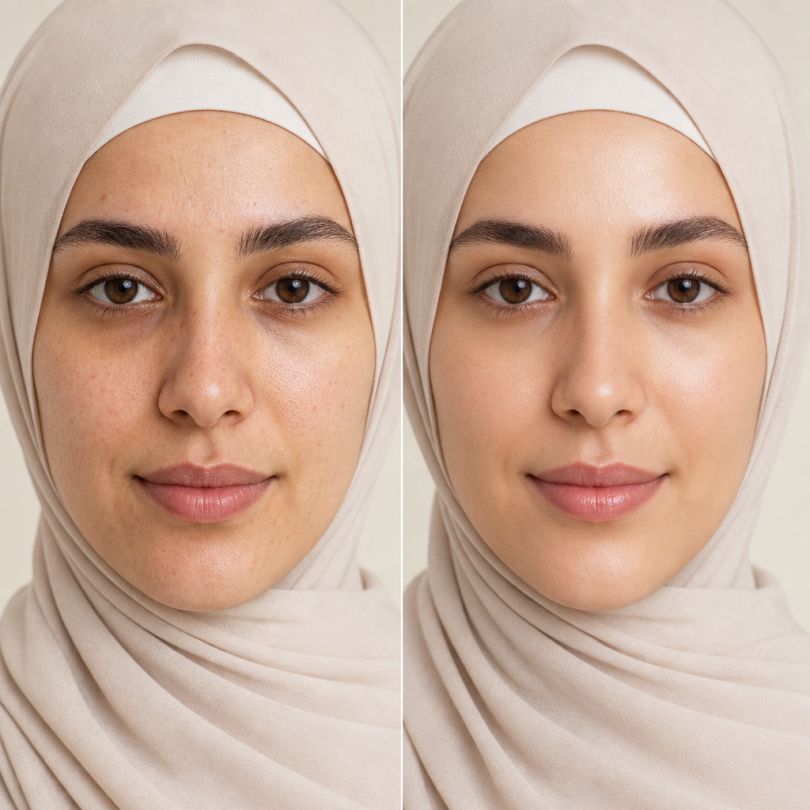

Skincare has always been about results, but neurocosmetics is changing the conversation entirely. Rather than simply targeting the surface of the skin, this emerging category works at the intersection of neuroscience and beauty — influencing how the skin responds to stress, inflammation, and environmental triggers at a cellular level. For anyone curious about whether these products live up to their claims, understanding the science behind the transformation is the first step toward making an informed decision.
What Makes Neurocosmetics Different From Traditional Skincare
Traditional skincare products work primarily by delivering active ingredients to the skin’s surface or deeper layers — hydrating, exfoliating, brightening, or protecting. Neurocosmetics, by contrast, targets the skin-brain axis: the complex communication network between the nervous system and the skin. This means these formulations are designed to calm nerve endings, reduce stress-induced inflammation, and support the skin’s ability to regulate itself more effectively over time.
Ingredients like neuropeptides, adaptogens, and neuroactive botanicals are at the core of this approach. They work by mimicking or modulating neurotransmitter activity in the skin, which can reduce redness, minimize the appearance of stress-related breakouts, and even soften the look of expression lines caused by repetitive muscle tension. The result is not just a cosmetic fix — it is a more resilient, balanced complexion that responds better to daily stressors.
The Role of Stress in Skin Aging
Chronic stress is one of the most underestimated contributors to premature skin aging. When the body is under stress, it releases cortisol and other hormones that trigger inflammation, break down collagen, and compromise the skin barrier. Over time, this creates a cycle of sensitivity, dullness, and accelerated fine line formation. Neurocosmetics interrupts this cycle by addressing the neurological triggers that set it in motion, rather than simply treating the visible symptoms after the fact.
Understanding the Before and After Timeline
One of the most common questions people have when starting a neurocosmetic routine is how long it takes to see meaningful changes. Unlike a hydrating serum that delivers an immediate plumping effect, neurocosmetics work on a deeper timeline. Most users begin to notice subtle improvements in skin texture and tone within the first two to four weeks. These early changes often include reduced redness, a calmer complexion, and less reactivity to environmental stressors.
By the six to eight week mark, more significant transformations tend to emerge. Skin that previously appeared dull or fatigued often develops a more luminous quality. Fine lines associated with tension — particularly around the forehead and eyes — may appear softer. Breakouts linked to stress cycles often become less frequent and less severe. The skin, in essence, begins to behave more like a well-regulated system rather than one in constant reactive mode.
Factors That Influence Your Results
Results from neurocosmetic products are not universal — they depend on a range of individual factors including skin type, baseline stress levels, consistency of use, and the quality of the formulations being used. Those with highly reactive or sensitive skin often see the most dramatic improvements, since their skin has the most to gain from neurological calming. However, even those with relatively stable skin report improvements in overall tone, resilience, and a reduction in the visible signs of daily fatigue.
How to Build a Neurocosmetic Routine From Scratch
Starting a neurocosmetic routine does not require overhauling your entire skincare regimen. In fact, the most effective approach is to introduce one or two targeted neurocosmetic products into an existing routine and allow time to observe how the skin responds. A gentle cleanser, a neuroactive serum, and a barrier-supporting moisturizer form a solid foundation. For those who are entirely new to structured skincare, building a beginner-friendly glowing skin routine first can help establish the habits needed to get the most out of more advanced formulations.
Consistency is the single most important variable in any skincare routine, and neurocosmetics are no exception. Because these products work gradually by recalibrating the skin’s neurological responses, skipping applications or switching products too frequently will undermine the process. Commit to a routine for at least eight weeks before evaluating whether adjustments are needed.
Layering Neurocosmetics With Anti-Aging Actives
Many people wonder whether neurocosmetics can be combined with traditional anti-aging ingredients like retinol, vitamin C, or peptides. The answer is generally yes — and in many cases, the combination is synergistic. Neurocosmetics can help reduce the irritation and sensitivity that sometimes accompanies potent actives like retinol, making it easier to tolerate higher concentrations over time. For those exploring a broader anti-aging strategy, dermatologist-recommended anti-aging picks offer a useful reference point for understanding which ingredients have the strongest clinical backing.
A Closer Look at Bonjil’s Approach to Neurocosmetics
Bonjil has positioned itself as a thoughtful voice in the neurocosmetics space, offering detailed documentation of real-world results alongside the science that supports them. Their approach emphasizes transparency — showing not just the polished outcomes, but the gradual, honest progression that characterizes genuine skin transformation. For anyone looking to understand what this category of skincare can realistically deliver, the neurocosmetics results guide provides an in-depth look at before and after outcomes grounded in both user experience and formulation science.
What sets Bonjil apart is the editorial rigor applied to their skincare content. Rather than relying on aspirational marketing language, their guides walk readers through the mechanisms behind the results, helping consumers develop realistic expectations and a deeper understanding of how their skin is changing — and why. This kind of informed approach is increasingly valuable in a market saturated with exaggerated claims and overnight transformation promises.
Setting Realistic Expectations for Long-Term Skin Health
Perhaps the most important mindset shift when adopting a neurocosmetic routine is moving away from the idea of quick fixes and toward a longer-term investment in skin health. The skin is a living organ with its own rhythms and regulatory systems. Neurocosmetics work with those systems rather than overriding them, which means the results are more sustainable — but also more gradual than some consumers expect.
Over months of consistent use, many people report that their skin simply behaves better. It recovers more quickly from stress-related flare-ups, maintains hydration more effectively, and shows fewer signs of cumulative environmental damage. These are not dramatic overnight transformations — they are the kind of quiet, compounding improvements that reflect genuine skin health rather than temporary cosmetic correction.
Conclusion
Neurocosmetics represents a meaningful evolution in how we think about skincare — one that acknowledges the profound connection between the nervous system and the skin’s appearance and behavior. For those willing to commit to a consistent routine and approach the process with realistic expectations, the before and after results can be genuinely transformative. The key is understanding that this is not about masking imperfections, but about building a more resilient, balanced complexion from the inside out. With the right products, the right information, and a little patience, the skin has a remarkable capacity to recalibrate and thrive.