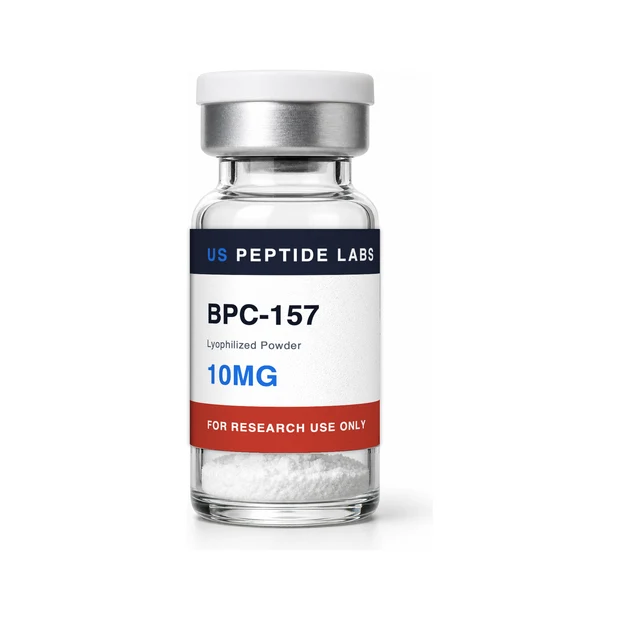
Peptide research has become an important area of biochemical investigation, particularly when studying molecular signaling, tissue biology, and cellular processes associated with recovery. Among the compounds attracting scientific interest is BPC-157, a synthetic peptide investigated in preclinical research involving different biological pathways. Understanding its molecular characteristics and research limitations is essential when evaluating peptide-based materials.
Researchers exploring this category can Buy BPC-157 peptide through specialized research suppliers offering documented laboratory materials. Other compounds, including TB-500, GHK-Cu, and KPV, are also investigated for their individual molecular properties. Understanding how these compounds differ provides a useful foundation for evaluating multi-peptide research blends.
This article examines BPC-157, the scientific background of KLOW, peptide combinations, laboratory testing, and the importance of research documentation.
What Is BPC-157 and Why Is It Studied?
BPC-157 is a synthetic pentadecapeptide consisting of 15 amino acids. It is derived from a sequence associated with a protein found in gastric juice and has attracted attention in preclinical research involving tissue biology and cellular signaling.
Scientific investigations have explored its molecular characteristics and potential interactions with biological pathways. However, most available evidence remains preclinical, and further research is necessary to establish its safety and effectiveness in humans.
Understanding BPC-157 Molecular Research
BPC-157 is studied in different experimental models involving cellular processes, angiogenesis, and gastrointestinal biology. Researchers investigate its molecular behavior to understand how peptide structures interact with biological systems.
Its amino acid sequence and chemical characteristics are important when evaluating identity, purity, and analytical consistency. These properties also help laboratories distinguish the compound from unrelated peptide materials.
Importantly, findings from laboratory and animal studies cannot automatically establish clinical benefits or medical applications.
What Are Multi-Peptide Blends?
Multi-peptide blends are research preparations containing two or more peptide compounds within a single formulation. They are studied to understand the individual characteristics of each component and the analytical considerations associated with combining different molecules.
The composition of a blend determines its overall molecular profile and introduces additional quality-control requirements. Researchers must consider the identity, concentration, purity, and compatibility of every included compound.
Understanding the Science Behind Peptide Combinations
Different peptides have different amino acid sequences, molecular weights, and chemical properties. Combining them creates a preparation that requires individual component verification.
Researchers should not assume that combining multiple compounds automatically produces additive or improved biological effects. The interaction between ingredients must be investigated through appropriate experimental methods.
This distinction is particularly important when interpreting scientific literature because studies involving individual peptides do not establish the effectiveness of an untested combination.
What Is the KLOW Peptide Blend?
KLOW is a four-peptide research blend listed in the US Peptide Labs Healing & Recovery collection. Its formulation contains BPC-157, GHK-Cu, TB-500, and KPV.
Each ingredient has a different molecular structure and scientific research background. Understanding these individual components helps explain the composition of the blend without assuming that their combined effects have been clinically established.
Four Components of KLOW
The KLOW peptide blend contains four compounds with distinct biochemical characteristics.
- BPC-157: A synthetic 15-amino-acid peptide investigated in preclinical tissue biology and gastrointestinal research.
- GHK-Cu: A copper-binding tripeptide studied for its interactions with cellular processes and gene expression.
- TB-500: A peptide product associated with thymosin beta-4 research and investigations involving cellular migration and actin regulation.
- KPV: A three-amino-acid peptide fragment derived from alpha-melanocyte-stimulating hormone, studied in inflammatory signaling research.
These compounds have different molecular properties and should be evaluated individually as well as within the combined preparation.
Why Individual Component Research Matters
Research involving individual ingredients provides the scientific background needed to understand a multi-peptide formulation. However, the findings cannot automatically be transferred to the complete blend.
A combination requires its own analytical characterization and appropriately designed experimental investigation. This helps determine whether the formulation maintains the expected identity and composition of its individual components.
How Does TB-500 Differ From BPC-157?
Although TB-500 and BPC-157 are both associated with recovery-related research, they are different peptide materials with distinct molecular characteristics.
BPC-157 is a synthetic pentadecapeptide, while TB-500 is marketed as a thymosin beta-4-related research peptide. Their scientific backgrounds involve different biological questions and experimental pathways.
Understanding Their Research Characteristics
Thymosin beta-4 is an actin-binding protein investigated in relation to cellular migration, tissue biology, and other biological processes.
TB-500 is associated with research involving thymosin beta-4-related peptide sequences. Researchers should verify the exact molecular identity of the material rather than assuming that every TB-500 product is equivalent to full-length thymosin beta-4.
Similarly, BPC-157 research involves its own sequence-specific properties and experimental limitations.
How Can Researchers Evaluate Peptide Blend Quality?
Quality assessment is particularly important for multi-peptide preparations because several compounds must be considered within the same formulation.
A reliable evaluation involves examining analytical documentation, batch identification, purity measurements, and testing methods. These details help researchers understand what has actually been verified.
Certificate of Analysis and Laboratory Testing
A Certificate of Analysis (COA) provides information about the analytical testing performed on a particular production lot.
Important details to examine include:
- Compound identity: Whether the expected peptide components have been identified.
- Purity analysis: The reported chromatographic purity of the tested material.
- HPLC testing: Information about sample composition and separated components.
- Mass spectrometry: Molecular mass information supporting compound identification.
- Batch identification: The lot number connecting the product with its analytical documentation.
For multi-peptide blends, researchers should pay particular attention to whether the analytical methods adequately characterize each component.
US Peptide Labs highlights independent third-party laboratory testing and lot-specific documentation. Researchers can use available Certificates of Analysis to review the reported characteristics of individual research materials.
What Are the Limitations of Current BPC-157 and KLOW Research?
Scientific interest in BPC-157 and related peptide blends should be considered alongside the limitations of existing evidence.
Much of the research involving these compounds is preclinical. Human safety, long-term outcomes, appropriate medical applications, and the effects of multi-peptide combinations remain insufficiently established.
Why Scientific Evidence Must Be Interpreted Carefully
The FDA has identified insufficient clinical safety information for BPC-157 and has raised concerns about its characterization, immunogenicity, and potential risks. Its July 2026 briefing materials also discuss limitations in the available evidence.
There is no basis for treating KLOW as an established medical treatment or assuming that its four components provide proven combined benefits.
Researchers should distinguish published experimental findings from commercial descriptions and unsupported therapeutic claims. Research-use-only materials are not approved for human consumption or medical treatment.
Conclusion
BPC-157 and multi-peptide blends represent an interesting area of biochemical research involving molecular structure, cellular signaling, and formulation quality. Compounds such as GHK-Cu, TB-500, and KPV have distinct scientific backgrounds that contribute to the composition of blends such as KLOW.
For laboratories, evaluating these materials requires attention to compound identity, analytical purity, batch traceability, and the limitations of existing scientific evidence. Independent testing and accessible Certificates of Analysis provide useful documentation for assessing research materials.
US Peptide Labs offers a dedicated Healing & Recovery collection featuring BPC-157, TB-500, and multi-peptide blends. Researchers seeking additional information about product specifications or available laboratory documentation can contact us.
Frequently Asked Questions
1. What is BPC-157 peptide?
BPC-157 is a synthetic pentadecapeptide containing 15 amino acids. It is primarily investigated in preclinical research involving tissue biology, cellular signaling, and gastrointestinal-related experimental models.
2. What is included in the KLOW peptide blend?
KLOW contains four research compounds: BPC-157, GHK-Cu, TB-500, and KPV. Each ingredient has different molecular characteristics and an individual scientific research background.
3. What is the difference between BPC-157 and TB-500?
BPC-157 is a synthetic 15-amino-acid peptide, while TB-500 is associated with thymosin beta-4-related peptide research. They have different molecular structures and research focuses.
4. How can researchers verify the quality of peptide blends?
Researchers can examine Certificates of Analysis, HPLC results, mass spectrometry findings, compound identification, and batch-specific documentation. Multi-component preparations require appropriate analytical characterization of their individual ingredients.
5. Are BPC-157 and KLOW approved medical treatments?
BPC-157 and the KLOW blend are not FDA-approved medical treatments. Available research is insufficient to establish their safety and effectiveness for human medical use. US Peptide Labs supplies these products strictly for lawful laboratory and analytical research.