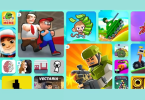

Entertainment has changed dramatically over the past few decades. What once meant sitting in front of a television, visiting an arcade, or gathering around a board game can now happen with a smartphone and an internet connection. The rise of the alternatif big777 has transformed how people relax, compete, socialize, and spend their free time.
Think about a teenager playing with friends who live in different cities. A few decades ago, that would have required a phone call or a planned visit. Today, they can meet inside a virtual world within seconds. That simple change says a lot about how far gaming has come.
The Early Days of Online Game Entertainment
The journey began with relatively simple experiences. Early internet games were often basic, lightweight, and limited by slow connections. Players might wait several minutes for a page to load, yet the excitement was real.
Text-based adventures, simple multiplayer competitions, and browser games introduced people to the idea of playing with others through the internet. The graphics were modest, but imagination filled the gaps.
As internet access improved, developers gained more freedom. Games became larger, faster, and more interactive. Suddenly, players were not simply controlling characters on a screen. They were entering digital spaces where other real people were waiting to compete or cooperate.
That was a turning point.
How Technology Changed the Online Game Experience
Technology has been one of the biggest forces behind gaming’s evolution. Faster broadband connections removed many of the frustrations associated with early multiplayer experiences. Better computers and graphics hardware made virtual environments richer and more realistic.
Then came smartphones.
Mobile gaming opened the door to an enormous audience. People no longer needed a powerful computer or dedicated console to enjoy interactive entertainment. A game could be carried inside a pocket and played during a lunch break, while traveling, or while relaxing at home.
Cloud technology has pushed this idea even further. Players can increasingly access sophisticated gaming experiences without relying entirely on expensive hardware. As devices and networks continue improving, the boundary between traditional gaming and digital entertainment keeps becoming less obvious.
Social Connections Became Part of Gaming
One of the most interesting changes is the social side of gaming.
In the past, someone might have played alone for hours. Modern gaming can feel completely different. Friends can form teams, communicate through voice chat, share strategies, and celebrate victories together.
Imagine four friends finishing work or school and meeting online in the evening. They may live miles apart, but for a few hours, distance almost disappears. Their shared mission becomes the center of attention.
This social element has helped gaming become more than a solitary hobby. Communities have formed around individual titles, genres, creators, and competitive events. Players exchange tips, create fan content, and build friendships that sometimes continue beyond the game itself.
The Rise of Competitive Gaming
Competition has always been part of gaming, but digital connectivity has taken it to another level.
Online tournaments can now attract players from different countries. Skilled competitors can build audiences through livestreaming and video platforms. Major events can bring together thousands of spectators, while millions more watch remotely.
Why does competition feel so exciting? Perhaps it is the uncertainty. A match can change within seconds. One clever decision can turn defeat into victory.
This competitive culture has also encouraged players to improve their skills. Rankings, challenges, achievements, and seasonal events give people reasons to return. For many players, the satisfaction comes not only from winning but from seeing personal progress.
Personalization Makes Games More Engaging
Modern developers understand that players are different. Some enjoy fast competition. Others prefer storytelling, exploration, puzzles, strategy, or casual entertainment.
As a result, today’s games offer remarkable variety. Players can customize characters, choose different paths, adjust difficulty, and sometimes influence how stories unfold.
Personalization creates a stronger emotional connection. When players feel that an experience reflects their choices, they become more invested in what happens next.
This is one reason the modern online game can hold attention for months or even years rather than just a few afternoons.
What Comes Next?
The future looks even more interactive. Virtual reality, augmented reality, artificial intelligence, cloud infrastructure, and improved mobile technology are already influencing digital entertainment.
The goal is no longer simply to make games look better. Developers are exploring ways to make experiences feel more natural, responsive, and connected.
Perhaps one day, joining a virtual game world will feel almost as ordinary as opening a social media app today. Maybe players will move between digital and physical experiences without thinking about the difference.
That possibility is fascinating.
A New Era of Digital Entertainment
The evolution of gaming main big777 reflects a much bigger change in society. People want entertainment that is convenient, social, interactive, and available whenever they want it. Gaming fits naturally into that world.
From simple browser experiences to expansive multiplayer environments, the journey has been remarkable. What began as a niche form of entertainment has become a major part of modern digital culture.
The next chapter is still being written. For players, that may be the most exciting part of all. There are always new worlds to discover, new challenges to face, and new people to meet. So, whether you’re a longtime player or simply curious about the experience, there has never been a more interesting time to explore the world of digital gaming.