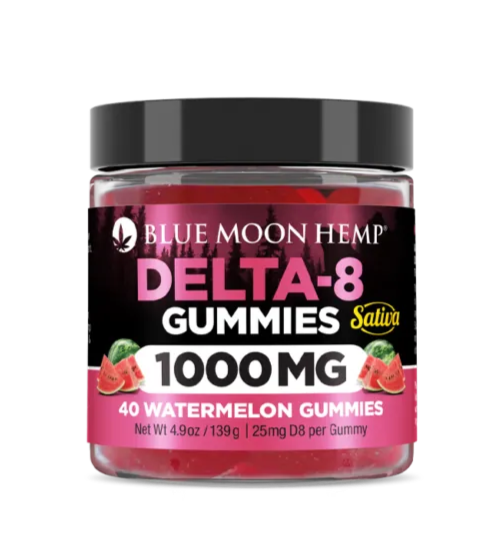

Delta-8 gummies are edible hemp-derived products that contain delta-8 tetrahydrocannabinol, a cannabinoid known for its psychoactive effects. Their familiar gummy format makes them easy to portion, but the amount of THC, ingredient quality, and time needed for effects can vary between products. Anyone researching Delta 8 THC should understand how these edibles are formulated, how the body processes them, and what to check before making a purchase.
Unlike tinctures, which are liquid products measured with a dropper, gummies come in pre-measured pieces. Each gummy usually lists its cannabinoid content on the packaging. This makes serving information easier to review, although it does not remove the need for careful use. A product’s strength, ingredients, laboratory report, and legal status all deserve attention.
What Goes Into a Delta-8 Gummy?
Delta-8 gummies combine a gummy base with a measured amount of Delta-8 THC. The base may contain ingredients such as sugar, corn syrup, pectin or gelatin, flavourings, and colouring agents. The cannabinoid is added during manufacturing to create an edible product with a stated THC concentration.
Delta-8 THC occurs naturally in cannabis plants in small amounts. Commercial quantities are often produced by converting other hemp-derived cannabinoids. The manufacturing process matters because poorly controlled conversion can leave unwanted substances in the final product.
The role of the gummy base
The gummy mixture gives the product its texture, taste, and shape. Pectin-based gummies are generally suitable for people who avoid gelatin, while gelatin-based versions use an animal-derived ingredient. The label should identify the ingredients so consumers can check for dietary needs or allergies.
The cannabinoid content is separate from the gummy’s total weight. A gummy weighing several grams does not contain that amount of Delta-8 THC. Always look for the stated milligrams per piece and per package.
How Delta-8 THC Works in an Edible Product
Delta-8 THC interacts with the body’s endocannabinoid system, which helps regulate several functions, including appetite, mood, and sleep. It is psychoactive, meaning it can affect perception, alertness, coordination, and judgement.
When a person eats a Delta-8 gummy, the cannabinoid passes through the digestive system before entering the bloodstream. This process differs from inhalation and can make the onset of effects slower. The timing and intensity are not identical for everyone.
Why effects take longer to appear
Edibles need to be digested and processed by the body. As a result, effects may take from around 30 minutes to two hours or longer to become noticeable. Food intake, metabolism, individual sensitivity, and product formulation can all affect timing.
Taking another gummy too soon because the first one has not produced noticeable effects can increase the chance of an uncomfortable experience. Follow the product’s directions and allow sufficient time rather than trying to speed up the process.
Reading the THC Amount on the Packaging
The milligram amount is one of the most useful details on a Delta-8 gummy label. It tells consumers how much Delta-8 THC is present in a serving. However, packaging may show both the amount per gummy and the total amount in the container, so these figures should not be confused.
For example, a package containing ten gummies with 10 mg of Delta-8 THC each has 100 mg in total. The individual serving contains 10 mg, not 100 mg. Clear labelling helps consumers understand the difference.
Why product strength deserves attention
Products can vary widely in concentration. A higher milligram amount does not automatically mean a better product or a more suitable choice. It simply indicates a greater quantity of the stated cannabinoid.
People who are unfamiliar with Delta-8 THC should be particularly cautious. There is no universally appropriate amount for every person, and individual responses can differ. Do not treat packaging strength as a recommendation for how much to consume.
Ingredients and Product Quality Should Be Checked
The cannabinoid is only one part of an edible. Other ingredients influence the product’s texture, flavour, shelf life, and suitability for different dietary preferences. Reading the full ingredient list can help identify allergens, added sugars, artificial colours, and other components.
Consumers comparing options to buy delta 8 edibles should also look for clear information about the hemp source, manufacturing standards, and cannabinoid content. Product descriptions should provide facts rather than make unsupported promises about health benefits.
Look beyond flavour and appearance
A strong flavour or attractive appearance does not confirm product quality. More useful details include a complete ingredient list, a clearly stated THC amount, batch identification, and access to independent laboratory testing.
Avoid products with unclear labels or claims that suggest Delta-8 THC can diagnose, treat, or cure a medical condition. Such claims should not replace reliable health information or advice from a qualified professional.
Why Third-Party Laboratory Reports Matter
A Certificate of Analysis, commonly called a COA, is a laboratory report showing the results of tests performed on a product sample. It can help consumers check whether the cannabinoid content matches the product label and whether certain contaminants were detected.
Testing is particularly relevant for Delta-8 products because some commercial manufacturing methods involve chemical conversion. Quality controls should be designed to identify unwanted residual solvents, reaction by-products, and other impurities.
What to look for in a COA
A useful report should identify the tested product or batch and provide cannabinoid potency results. Depending on the testing panel, it may also include results for pesticides, heavy metals, residual solvents, and microbial contaminants.
Check that the batch information matches the package you are considering. A report for a different product or an unrelated batch does not confirm the quality of the item in front of you. The laboratory should also be clearly identified.
Safety Considerations Before Consuming Delta-8 Gummies
Delta-8 THC can cause intoxication and impairment. Possible effects include drowsiness, confusion, anxiety, changes in perception, and reduced coordination. The intensity may depend on the amount consumed, personal sensitivity, and other substances present in the body.
Do not drive, cycle in traffic, operate machinery, or carry out tasks that require full attention after consuming Delta-8 THC. Avoid combining it with alcohol, sedatives, or other substances that can increase drowsiness or impairment.
Storage and accidental ingestion
Store gummies in their original packaging, with the label and safety information intact. Keep them securely away from children and pets. Their appearance and taste may make them easy to mistake for ordinary sweets.
Accidental consumption can be dangerous, especially for children and animals. If accidental ingestion occurs, contact an appropriate medical professional or poison control service promptly. Do not wait for symptoms to become severe before seeking advice.
Legal Rules Can Differ by Location
The legal status of Delta-8 THC is not the same everywhere. Some jurisdictions restrict or prohibit it, while others regulate it under hemp or cannabis laws. Federal rules may also differ from state and local requirements.
Consumers should check the current rules that apply where they live before purchasing, possessing, or travelling with Delta-8 gummies. Online availability does not guarantee that a product can legally be shipped to every destination.
A responsible seller should provide clear product details and avoid broad claims that every Delta-8 product is legal in all locations. Legal status should be checked independently rather than assumed from a product listing.
Making a Careful Product Assessment
Delta-8 gummies should be judged by their documented cannabinoid content, ingredients, laboratory testing, and safety information. Packaging and flavour descriptions offer only limited information about what a product contains.
Take time to review the serving details and batch-specific testing before considering any hemp-derived edible. Delta-8 THC is psychoactive, and its effects can impair judgement and coordination. Anyone with questions about possible medication interactions or personal health risks should speak with a qualified healthcare professional before use.
Frequently Asked Questions
1. Are Delta-8 gummies psychoactive?
Yes. Delta-8 THC is a psychoactive cannabinoid that can affect perception, alertness, coordination, and judgement. Its effects vary between individuals and may depend on the amount consumed and the product’s formulation.
2. How long do Delta-8 gummies take to produce effects?
Edible products may take around 30 minutes to two hours or longer to produce noticeable effects. Digestion, metabolism, food intake, and individual sensitivity can influence the timing. Avoid taking additional servings too soon.
3. What does the milligram amount on a Delta-8 gummy label mean?
It usually describes the quantity of Delta-8 THC in one gummy or the entire package. Check which figure the label displays. The amount per piece is more useful for understanding the cannabinoid content of an individual serving.
4. How can I check the quality of Delta-8 gummies?
Review the ingredient list, cannabinoid concentration, batch details, and third-party Certificate of Analysis. A relevant laboratory report should provide potency results and, where tested, information about possible contaminants.
5. Where can I find information about Delta-8 gummies from Blue Moon Hemp?
You can visit Blue Moon Hemp to review available hemp-derived products and their descriptions. Check the ingredients, product strength, laboratory information, and legal availability before making a purchasing decision.