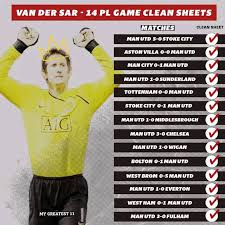

Wagering on clean-sheet markets and low-scoring match outcomes requires identifying defensive units capable of suppressing opponent shot quality across a sustained thirty-eight-game campaign. During the 2008/2009 English Premier League season, elite defensive organizations established extraordinary shutout records that fundamentally dictated clean-sheet and under-goal pricing. While casual bettors consistently chased high-scoring spectacles, analytical punters capitalized on structural defensive blocks that turned matches into low-event affairs. Examining how these dominant backlines operated reveals the core tactical principles that made them reliable assets for zero-concession markets.
Manchester United’s Record-Breaking Clean Sheet Sequence and Defensive Architecture
Sir Alex Ferguson’s 2008/09 Manchester United squad engineered one of the most remarkable defensive stretches in football history, setting a Premier League record by going fourteen consecutive matches without conceding a goal. Edwin van der Sar went 1,311 minutes without picking the ball out of his net, anchored by the central defensive pairing of Nemanja Vidić and Rio Ferdinand. This historic run was not built on passive parking of the bus, but rather on proactive central dominance, flawless aerial clearance rates, and exceptional reading of the game.
The psychological impact of facing this formidable backline caused opposing attackers to rush their decisions inside the final third, leading to speculative long-range shots that Van der Sar comfortably handled. Bookmakers continuously scrambled to adjust clean-sheet odds, yet the sheer consistency of United’s defensive shape meant that backing them to shut out opponents remained a profitable angle through the heart of the winter. Their ability to stifle elite and mid-table attacks alike created an unmatched benchmark for clean-sheet reliability.
Mechanisms of Spatial Control in Elite Defenses
Sustaining a long sequence of clean sheets requires specific structural behaviors that prevent opponents from finding space between the defensive and midfield lines. The operational mechanics behind these dominant shutouts relied on three core principles:
- Aggressive step-ups by central defenders to intercept vertical passes before strikers could control and turn.
- Flawless tracking of late-arriving central midfielders by disciplined holding anchors like Michael Carrick.
- Effective use of tactical fouls in the opposition half to disrupt counter-attacks before they reached the defensive third.
These defensive mechanisms combined to starve opposing teams of high-probability scoring opportunities. Incorporating these spatial control metrics into match evaluations allows punters to identify defensive units capable of maintaining clean sheets against high-scoring opposition.
Liverpool’s Defensive Parity and the Anfield Low-Block Dynamic
Rafael Benítez constructed a Liverpool side that conceded only 27 goals all season, matching Manchester United stride for stride in defensive efficiency. Operating primarily in a rigid 4-2-3-1 formation with Xabi Alonso and Javier Mascherano screening the back four, Liverpool established a suffocating midfield press that prevented opponents from building structured attacks. At Anfield, this defensive stability translated into regular clean sheets, as visiting sides rarely found the breathing room needed to threaten Pepe Reina’s goal.
While Liverpool’s defensive metrics rivaled the champions, their clean-sheet utility varied depending on whether they played home or away. Away from Anfield, Benítez occasionally adopted a more conservative posture that preserved shutouts, whereas home fixtures against low-block opponents sometimes forced open matches. Understanding this venue-specific variance was crucial for bettors targeting clean-sheet props, ensuring stakes were concentrated in fixtures where Liverpool’s defensive control matched up favorably against the opponent’s attacking style.
Fulham’s Craven Cottage Fortress and Defensive Discipline
Roy Hodgson transformed Fulham into an elite defensive unit whose clean-sheet record at Craven Cottage anchored their surprise push into seventh place. Fulham conceded merely 16 goals across 19 home fixtures, establishing a defensive baseline that frustrated every visiting club outside the traditional top four. Aaron Hughes and Brede Hangeland maintained an immoveable central partnership, refusing to chase opponents into wide channels and keeping their defensive line exceptionally disciplined.
This structural commitment to zonal compactness meant Fulham matches rarely featured open, chaotic passages of play. For bettors targeting clean-sheet markets, Fulham at home represented a pristine statistical asset, regularly posting shutouts against mid-table and relegation-threatened visitors. The market was often slow to reflect their home defensive solidity, providing attractive odds on clean-sheet derivative wagers throughout the campaign.
Whenever financial evaluators assess how specialized defensive structures generate consistent yields within an interactive digital online betting site like ufabet เว็บตรง ทางเข้า มือถือ, the historical pricing anomalies surrounding compact mid-table hosts highlight why public sentiment frequently underestimates defensive organization. Fulham’s low-event home matches repeatedly rewarded disciplined bettors who bypassed volatile outright markets to focus exclusively on clean-sheet and low-total propositions.
Chelsea’s Defensive Evolution Under Scolari and Hiddink
Chelsea maintained a formidable defensive presence throughout the 2008/09 season, finishing with 24 clean sheets across all competitions despite experiencing mid-season managerial turmoil. Under Luiz Felipe Scolari and later Guus Hiddink, the central axis of John Terry and Alex provided robust aerial dominance and physical resistance. Even during periods when their offensive rhythm stuttered, Chelsea’s backline preserved shutouts by locking down the penalty area and limiting opponent clear-cut chances.
The team’s ability to secure clean sheets made them dependable anchors for accumulator wagers involving defensive containment. When Hiddink restored tactical discipline in February, Chelsea’s clean-sheet frequency surged, providing reliable value in defensive derivative markets as they closed out the campaign in stellar defensive form.
The analytical table below illustrates how different defensive units performed across key shutout metrics during the 2008/09 season:
| Defensive Unit | Total Clean Sheets | Home Clean Sheets | Primary Defensive Strength | Optimal Clean-Sheet Betting Market |
| Manchester United | 24 | 14 | Proactive central interceptions and aerial dominance | Individual team clean-sheet props |
| Liverpool | 20 | 11 | Midfield screening via Alonso and Mascherano | Home clean-sheet matches vs. bottom-half sides |
| Fulham | 13 | 11 | Rigid zonal 4-4-2 shape at Craven Cottage | Home clean-sheet and Under 2.5 combinations |
| Chelsea | 20 | 11 | Physical central pairing and robust box defending | Defensive match-result doubles |
The comparative data underscores that clean-sheet frequency is heavily influenced by venue dynamics and tactical structure. While Manchester United posted elite clean sheets across all environments, Fulham’s shutout production was concentrated almost entirely at Craven Cottage, demonstrating the importance of venue-specific filtering when selecting clean-sheet bets.
Recognizing these operational patterns prevented bettors from applying blanket defensive assumptions across all fixtures, ensuring that capital was deployed where defensive dominance was statistically guaranteed.
The Relegation Contrast: Why Porous Defenses Ruined Clean-Sheet Bets
At the opposite end of the spectrum, clubs caught in the relegation battle offered an instructive lesson in defensive instability. West Bromwich Albion, Middlesbrough, and Hull City suffered from persistent structural vulnerabilities that made clean sheets an extreme rarity. West Brom conceded 67 goals and managed only a handful of shutouts all season, as their expansive passing philosophy repeatedly left their backline exposed during defensive transitions.
Bettors who attempted to back struggling teams to secure unexpected clean sheets based on short-term opponent slumps consistently lost capital. A porous defense lacking an organized low block cannot manufacture a clean sheet through sheer effort; structural flaws inevitably surface under sustained pressure. Fading vulnerable backlines by backing opponents to score or targeting team-total Overs proved to be a far more reliable strategy than gambling on erratic defensive recoveries.
When casual market participants analyze erratic defensive performances within a high-speed online casino destination platform, observing how vulnerable backlines repeatedly collapse under early pressure emphasizes why betting on clean sheets requires proven defensive discipline. Porous units like West Bromwich Albion consistently invalidated clean-sheet expectations, proving that defensive stability is earned through rigid structural training rather than momentary inspiration.
Environmental Factors and Weather Disruptions Favoring Defensive Shutouts
Assessing clean-sheet potential requires accounting for environmental variables, particularly pitch conditions and weather severity during the English winter months. Heavy rain, high winds, and saturated pitches at exposed venues significantly hindered passing accuracy and fluid attacking combinations, directly favoring disciplined defensive blocks over technical offenses. When ball control becomes erratic, attacking teams struggle to execute intricate passing sequences inside the penalty box, elevating the probability of scoreless halves and clean sheets.
Smart handicappers monitored weather forecasts and pitch quality reports ahead of winter fixtures, adjusting their clean-sheet models upward for matches played in adverse conditions. Teams built on physical strength and structured clearances, such as Stoke City and Bolton Wanderers, frequently preserved clean sheets during stormy winter afternoons simply because the weather neutralized their opponents’ technical superiority.
Synthesizing Defensive Metrics for Long-Term Clean-Sheet Profitability
Consistently profiting from clean-sheet and low-scoring markets demands an analytical framework that filters out superficial defensive stats to focus on core systemic indicators. Bettors must evaluate whether a team’s clean sheets are driven by sustainable tactical positioning or fortunate variance against poor finishers. Building a disciplined selection model ensures that wagers on defensive shutouts are backed by hard statistical evidence.
A comprehensive evaluation model for clean-sheet betting relies on three essential verification metrics:
- Confirming that the defensive unit concedes fewer than three shots on target from inside the penalty area per match.
- Verifying that the central midfield pairing maintains high ball-recovery rates in the middle third, reducing defensive transition exposure.
- Assessing that the team’s defensive shape remains compact and organized even when playing away from home.
Fulfilling these criteria ensures that capital is allocated exclusively to elite defensive organizations capable of repeating their shutout performances across a grueling season. Consistently executing this analytical approach allows sports bettors to extract sustainable, long-term profitability from clean-sheet markets.
Summary
The 2008/09 Premier League season proved that betting success in clean-sheet and low-scoring markets relies on identifying structured, disciplined defensive units rather than chasing erratic match outcomes. Manchester United’s record-breaking defensive streak, Liverpool’s midfield screening, and Fulham’s Craven Cottage fortress established clear benchmarks for shutout reliability. Bookmakers frequently priced these defensive strengths efficiently, yet disciplined handicappers consistently found value by aligning clean-sheet wagers with venue dynamics, weather conditions, and tactical spatial control. Ultimately, successful clean-sheet betting rewards those who prioritize defensive organization and statistical stability over unpredictable attacking flair.