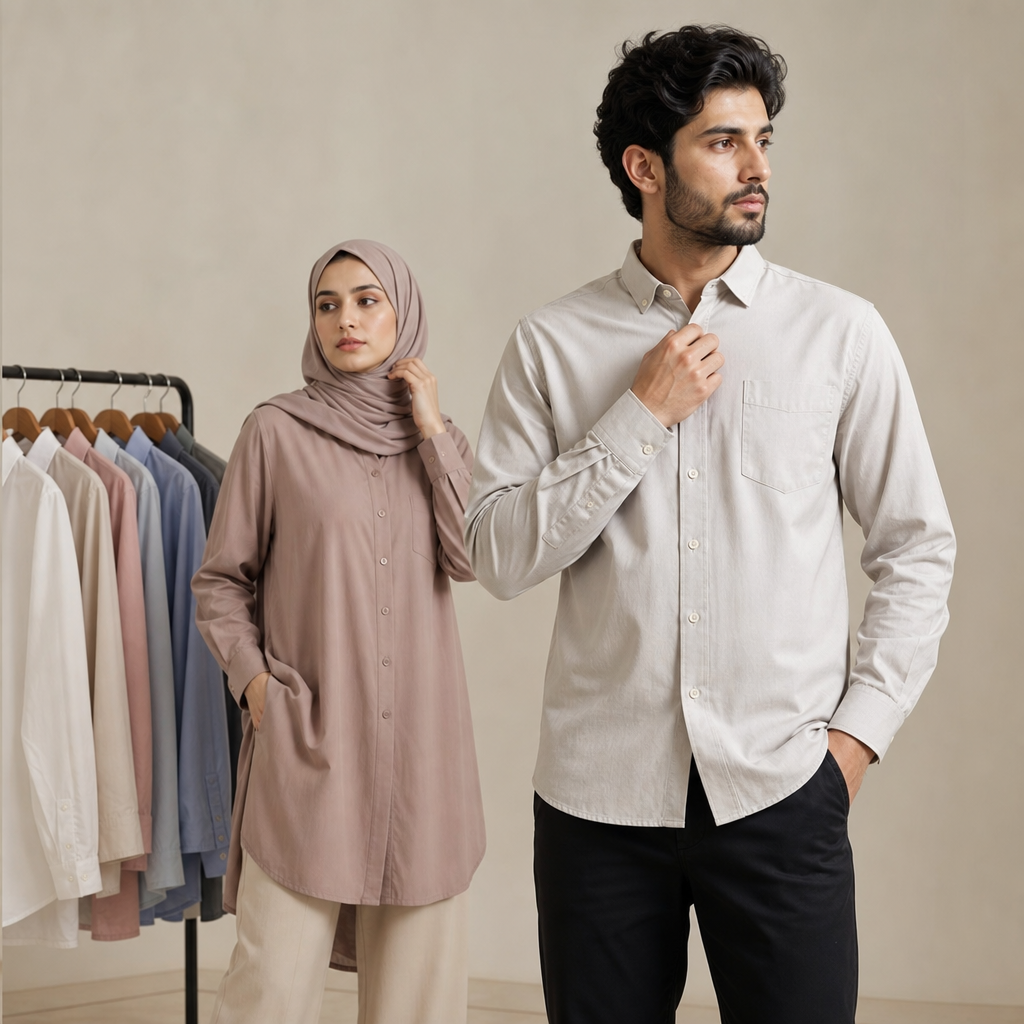
Shirts are the backbone of any wardrobe. Whether you are dressing for a boardroom meeting, a casual weekend outing, or a summer festival, the shirt you choose communicates more than you might realize. It signals your personality, your awareness of occasion, and your understanding of fit and fabric. Yet with so many cuts, collars, and constructions available today, navigating the world of shirts can feel overwhelming. This guide breaks down the essential shirt styles for both men and women, helping you build a versatile, intentional wardrobe that works across every season and setting.
Why Shirt Knowledge Matters More Than Ever
Fashion moves quickly, but shirts remain a constant. Unlike trend-driven pieces that cycle in and out of relevance, a well-chosen shirt holds its value for years. The challenge is that not all shirts are created equal. A poorly fitted Oxford can make even the most confident person look sloppy, while a perfectly tailored linen shirt can elevate a simple pair of jeans into something genuinely stylish. Understanding the differences between shirt types — their intended use, their fabric behavior, and their silhouette — gives you a real advantage when building outfits that feel effortless rather than accidental.
The Foundation: Classic Shirt Categories for Men
For men, shirts broadly fall into dress shirts, casual shirts, and sport or performance shirts. Dress shirts — typically featuring a structured collar, button placket, and cuffs — are designed for formal and semi-formal occasions. The Oxford cloth button-down, or OCBD, sits at the intersection of casual and smart, making it one of the most versatile pieces a man can own. Then there are chambray shirts, which mimic the look of denim but breathe far more easily, and flannel shirts, which offer warmth and texture during cooler months. For a deeper breakdown of the many shirt styles available to men, understanding the nuances between each category helps you shop with purpose rather than impulse.
Women’s Shirt Styles: Versatility Meets Expression
Women’s shirting has expanded dramatically over the past decade. What was once a fairly narrow category — button-downs, blouses, and tees — now encompasses an enormous range of silhouettes, fabrics, and styling possibilities. Oversized shirts worn as dresses, cropped button-downs paired with high-waisted trousers, and fitted poplin blouses tucked into midi skirts are all legitimate expressions of the modern shirt. The key is understanding proportion and how different shirt lengths and cuts interact with the rest of your outfit.
The Tank Top as a Shirt Foundation
One often-overlooked piece in the women’s shirt conversation is the tank top. Far from being a simple undergarment, the tank top functions as a genuine style anchor across multiple seasons. Layered under an open button-down in autumn, worn alone with tailored shorts in summer, or tucked into a high-waisted skirt for a polished spring look, the tank top’s adaptability is remarkable. If you want to explore how to make this piece work throughout the calendar, a year-round guide to styling women’s tank tops offers practical, season-specific inspiration that goes well beyond the basics.
Fabric Choices and Their Impact on Style
The fabric of a shirt determines not just how it feels against your skin but how it drapes, how it holds its shape, and how it responds to movement. Cotton remains the gold standard for everyday shirts because of its breathability and durability. However, within cotton alone there is enormous variation — poplin is crisp and smooth, twill is heavier and more textured, and jersey is soft and stretchy. Linen is the preferred choice for warm-weather dressing because of its moisture-wicking properties, though it wrinkles easily, which some people embrace as part of its relaxed aesthetic. Silk and satin-finish fabrics bring a luxurious quality to evening and occasion wear, while performance blends incorporating polyester or elastane offer stretch and moisture management for active lifestyles.
Fit: The Variable That Changes Everything
You can own the most beautiful shirt in the world, but if it does not fit correctly, it will never look its best. For men, the key fit markers are shoulder seam placement, chest room, and sleeve length. A shirt that pulls across the chest or has shoulder seams that droop down the arm will always look off, regardless of how expensive it was. For women, fit considerations are more varied because of the diversity of body shapes and the wider range of shirt silhouettes available. An oversized shirt is intentionally large, but it should still have a deliberate, considered look rather than appearing as though it simply belongs to someone else. Knowing your measurements and understanding how different brands size their garments is the first step toward consistently good results.
Fast Shirt Factory: Quality Custom Shirts Made Accessible
When it comes to sourcing shirts that combine quality construction with genuine value, Fast Shirt Factory stands out as a reliable destination for custom and bulk shirt orders. Whether you are outfitting a team, building a branded merchandise line, or simply looking for shirts made to your specifications, their production capabilities make the process straightforward and efficient. The ability to customize fabric, fit, and finish without the typical lead times associated with bespoke manufacturing is a significant advantage for both individuals and businesses looking to get quality garments without compromise.
Building a Shirt Wardrobe That Works Long-Term
A thoughtful shirt wardrobe does not require dozens of pieces. In fact, a focused collection of well-chosen shirts will serve you far better than a crowded closet full of items you rarely reach for. Start with the essentials: a white Oxford or poplin button-down, a neutral-toned linen shirt for warmer months, a chambray or denim shirt for casual layering, and a fitted crewneck or V-neck tee in a versatile color. From there, you can add personality through pattern — a subtle stripe, a classic check, or a bold print — depending on your personal style and the occasions you dress for most frequently. The goal is a collection where every piece earns its place and works with multiple other items in your wardrobe.
Caring for Your Shirts to Extend Their Life
Even the best shirts will deteriorate quickly without proper care. Always check the care label before washing, as different fabrics have very different requirements. Cotton shirts generally tolerate machine washing well, but high heat in the dryer can cause shrinkage and weaken fibers over time. Linen should be washed on a gentle cycle and either air-dried or tumble-dried on low. Silk and delicate blends almost always benefit from hand washing or dry cleaning. Storing shirts properly — hung on appropriate hangers rather than folded in a pile — helps maintain their shape and reduces the need for ironing. Small habits in care make a significant difference in how long a shirt remains a wardrobe asset rather than a casualty of neglect.
Conclusion: Wear What You Understand
Shirts are deceptively simple garments that reward knowledge and attention. When you understand the differences between styles, fabrics, and fits, you stop making random purchases and start making deliberate choices. Whether you are a man building a professional wardrobe, a woman exploring the full range of what shirting can offer, or someone looking to source quality custom pieces for a specific purpose, the principles remain the same: choose with intention, care with consistency, and wear with confidence. The right shirt, chosen well, is one of the most powerful tools in your style arsenal.