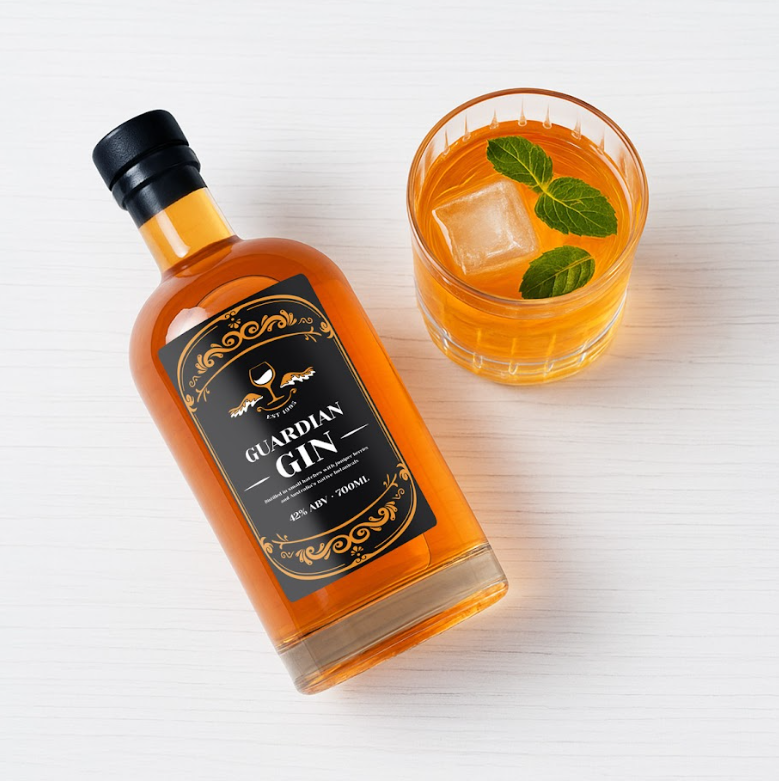
Small batch custom label printing used to feel like the difficult option. Minimum order quantities, long lead times, and artwork fees that made no sense for a 50-unit run. A lot of small businesses just lived with generic labels for longer than they wanted to. That scenario has changed. Digital printing makes short runs genuinely accessible now, and the quality matches what larger orders produce. Still, first-time buyers often run into the same avoidable problems. Most of them happen before the order is even placed.
What “Small Batch” Actually Means For Custom Label Printing
There is no fixed definition, but a small batch of custom label printing generally means anything from a few dozen labels up to a few hundred. It suits businesses testing a new product, launching a seasonal line, or simply not wanting to sit on months of unused stock.
The practical upside is real. You are not locked into a design that turns out to need adjusting. If a product gets reformulated, or a label regulation changes, or the brand just evolves, a smaller order means less waste.
The thing people do not always think about upfront is that the per-unit cost on a small run is higher than on a large one. That is not a flaw in the system. It reflects how print production works. Knowing that going in helps set the right expectations.
Getting The Artwork Right Before Anything Else
This is where most small batch orders run into trouble. Not the print, not the material, the file.
A label printed from poorly prepared artwork will look off regardless of everything else. Soft edges, colour shifts, text that loses clarity at small sizes. None of that is fixable after the job goes to press.
Here is what to check before submitting:
- Resolution at 300 dpi minimum, higher if the label includes fine detail or small text.
- Colours set up in CMYK, not RGB. RGB is for screens, and the conversion to print often shifts colours in ways that are hard to predict
- Fonts outlined or embedded so they do not reflow on a different system.
- A safe zone around the edges so nothing gets cut too close.
It takes maybe twenty minutes to check these things properly. Skipping them and hoping for the best tends to cost more time in the end.
Choosing The Right Material For The Job
Material choice matters more than most people expect when ordering custom label printing for the first time. The default assumption is often that all labels are roughly the same. They are not.
Paper labels suit dry products stored at room temperature. They print cleanly, they cost less per unit, and for most general retail products, they do exactly what is needed. A candle, a packaged food item, a box, and paper are usually the right call.
Synthetic labels, particularly white polypropylene, are worth considering when the product faces moisture during use or storage. A cosmetic bottle in a bathroom cabinet, a cold drink sitting in a chilled display, these conditions will test a paper label over time. Polypropylene handles condensation and humidity without lifting or softening.
One point worth being clear on: polypropylene suits indoor and refrigerated environments. It is not designed for prolonged outdoor exposure.
If you are unsure which material fits your product, think about where it will actually live after it leaves your hands.
Finish Options And What They Do
Gloss and matte are the two standard finishes, and both are available on small batch runs.
Gloss adds reflectivity. Colours appear more saturated, and the label draws attention under retail lighting. It works well on beverage bottles and products where shelf presence matters.
Matte absorbs light rather than reflecting it. The result feels quieter, perhaps more premium in a restrained way. Skincare and cosmetic brands tend to prefer it. Text also reads more cleanly on matte under strong overhead lighting.
Neither finish costs significantly more than the other. The choice comes down to what the product is communicating, not budget.
What The Order Process Looks Like
Custom label printing through an online platform is mostly self-directed. You select your label size, choose material and finish, upload artwork, and get a quote. There are no in-person consultations or offline steps.
That is straightforward once you have done it. The first time, it helps to have everything ready before starting rather than working through it as you go.
Before You Place The Next Order
Small batch custom label printing rewards preparation. The businesses that get it right the first time are usually the ones that sorted the artwork, confirmed the material, and placed the order without cutting corners on any of those steps.
The ones who run into problems are generally working from a low-resolution logo saved from a website, guessing at label dimensions, and hoping the colours come out right.
It is not a complicated process. It just needs a bit of attention before the order goes in, not after.