
Introduction
Overview of Indonesia’s Growing Influence in the Global Fashion Scene
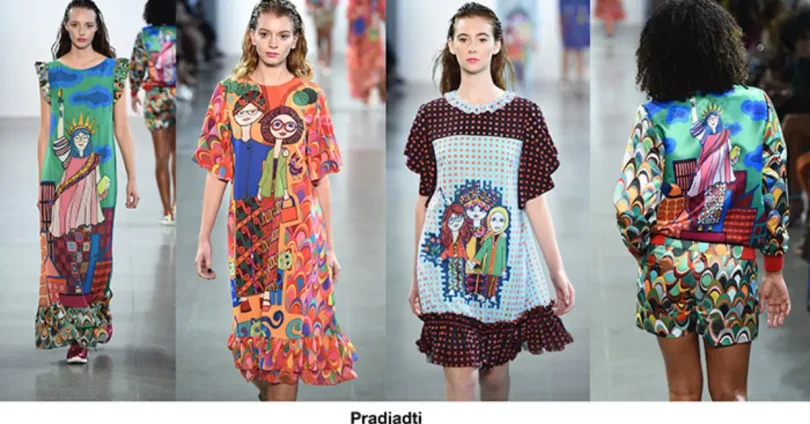
In recent years, Indonesia has emerged as a rising force in the international fashion industry, showcasing its unique blend of cultural heritage, craftsmanship, and creative innovation. With a growing number of Indonesian designers gaining global recognition at events such as Jakarta Fashion Week, Paris Fashion Week, and London Fashion Week, the country is establishing itself as a hub for distinctive, culturally rooted design. Indonesian fashion is no longer confined to local markets—it is gaining appreciation on the global stage for its authenticity, artistry, and sustainability.
Blend of Tradition and Modernity in Indonesian Fashion
At the heart of Indonesia’s fashion identity lies the harmonious fusion of tradition and modernity. Traditional fabrics such as batik, tenun, and songket are being reinterpreted through modern silhouettes, textures, and colors. Designers creatively combine local craftsmanship with contemporary techniques, producing clothing that resonates with both local and international audiences. This balance between preserving heritage and embracing innovation has become a defining feature of modern Indonesian fashion.
Purpose of the Article
The purpose of this article is to explore the key trends shaping modern Indonesian fashion, from sustainable practices and digital innovation to the revival of traditional textiles in contemporary design. By examining the evolving relationship between culture, creativity, and global influence, the article aims to highlight how Indonesia’s fashion industry continues to grow while staying deeply connected to its cultural roots.
Evolution of Indonesian Fashion
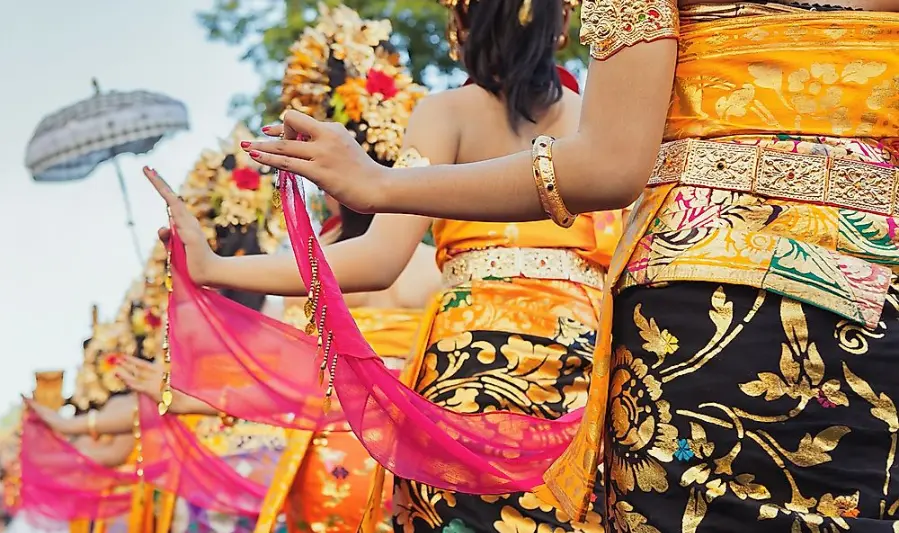
Historical Roots: Traditional Textiles Like Batik, Songket, and Tenun Ikat
Batik: The Art of Wax and Dye
Batik, recognized by UNESCO as a Masterpiece of Intangible Cultural Heritage, is one of Indonesia’s most iconic textiles. Originating from Java, it features intricate motifs created using a wax-resist dyeing technique. Each pattern holds deep cultural meaning—such as Parang for strength, Kawung for balance, and Mega Mendung for peace—reflecting philosophical and spiritual values.
Songket: The Weave of Gold and Silver
From Sumatra and Lombok, songket represents luxury and status, traditionally worn during ceremonies and royal events. Woven with gold or silver threads on silk or cotton, it symbolizes prosperity, honor, and cultural refinement.
Tenun Ikat: Threads of Identity
The tenun ikat tradition from Nusa Tenggara, Sumba, and Kalimantan involves pre-dyeing threads before weaving, resulting in unique, symbolic patterns. Each design tells a story—depicting ancestors, animals, and nature, connecting the wearer to their community and heritage.
The Influence of Globalization and Digital Culture
Global Exposure and Collaboration
The expansion of global media and fashion networks has allowed Indonesian designers to collaborate internationally, merging local artistry with global aesthetics. Exposure to worldwide trends has encouraged experimentation, leading to a new wave of modern Indonesian fashion that appeals to global audiences while staying rooted in tradition.
Digital Platforms and Social Media
The rise of digital culture has transformed how Indonesian fashion is marketed and consumed. Platforms like Instagram, TikTok, and e-commerce sites have enabled designers and artisans to reach both domestic and international markets. This digital shift has democratized fashion, giving emerging creators the opportunity to promote local craftsmanship to a global audience.
Shift from Ceremonial Attire to Modern, Everyday Fashion

Cultural Adaptation for Modern Lifestyles
Traditional attire that was once reserved for weddings, rituals, or royal ceremonies is now being adapted for daily wear. Modern Indonesians proudly wear batik shirts, tenun blouses, and kebaya-inspired dresses at work, social events, and formal gatherings.
Blending Function and Aesthetics
Designers and consumers alike value practicality and comfort, leading to simplified, wearable versions of ceremonial garments. This shift reflects a broader cultural movement—honoring heritage while embracing modernity in everyday life.
Role of Local Designers in Preserving Heritage While Embracing Innovation
Preserving Craftsmanship
Local designers serve as cultural ambassadors, working with traditional artisans to revive endangered weaving and dyeing techniques. By integrating these age-old skills into modern collections, they ensure that traditional craftsmanship continues to thrive.
Innovating for the Future
Designers like Anne Avantie, Didiet Maulana, and Rinaldy Yunardi have pioneered the modernization of Indonesian fashion by experimenting with new materials, cuts, and technologies. Their creations demonstrate that heritage and innovation can coexist, propelling Indonesian fashion into the global spotlight.
Key Modern Fashion Trends in Indonesia
A. The Rise of Modest Fashion
Growth of the Modest Wear Industry in Indonesia
Indonesia has become a global leader in modest fashion, driven by its predominantly Muslim population and the creativity of local designers. The modest wear industry continues to flourish, offering stylish yet faith-conscious options that appeal to both local and international markets.
Leading Designers and Brands
Prominent figures such as Dian Pelangi, Ria Miranda, and Zaskia Sungkar have revolutionized modest fashion by combining traditional aesthetics with modern sensibilities. Their collections emphasize individuality, confidence, and sophistication while maintaining modesty.
Characteristics of Modern Modest Fashion
Modern modest wear in Indonesia is characterized by elegance, comfort, and versatility. Flowing fabrics, soft color palettes, and contemporary cuts create a refined yet accessible look suitable for everyday wear and formal occasions alike.
International Recognition
Indonesia’s modest fashion industry has gained global recognition, positioning the nation as a modest fashion hub through international showcases such as Jakarta Modest Fashion Week and features in global fashion media.
B. Sustainable and Ethical Fashion
Growing Awareness of Environmental and Ethical Issues
An increasing number of Indonesian consumers and designers are prioritizing sustainability and ethical practices. This shift reflects broader global concerns about the environmental impact of the fashion industry.
Use of Natural Dyes and Organic Materials
Many Indonesian brands now use natural dyes, organic cotton, bamboo fibers, and recycled materials to reduce waste and pollution while celebrating traditional dyeing and weaving techniques.
Brands Championing Sustainability
Brands such as Sejauh Mata Memandang, Osem, and SukkhaCitta are at the forefront of Indonesia’s sustainable fashion movement, emphasizing transparency, fair wages, and community empowerment.
Designer–Artisan Collaborations
Collaborations between designers and rural artisans help preserve traditional crafts while ensuring fair compensation and sustainable production methods, creating a positive social and cultural impact.
C. Fusion of Tradition and Modern Design
Contemporary Reinterpretation of Traditional Textiles
Modern Indonesian designers continue to reinterpret batik, songket, and tenun in fresh, innovative ways. By combining traditional craftsmanship with modern techniques, they keep these heritage fabrics relevant in today’s fashion landscape.
Integration into Modern Cuts and Urban Styles
Traditional textiles are now featured in urban-ready fashion such as batik bomber jackets, tenun skirts, modern kebaya gowns, and songket blazers. This reinvention allows traditional materials to transcend their ceremonial roots.
Preserving Craftsmanship and Identity
This creative fusion not only appeals to modern consumers but also preserves local craftsmanship and reinforces cultural identity, ensuring that Indonesian heritage continues to thrive in a globalized fashion environment.
D. Streetwear and Youth Culture
Influence of Urban Fashion and Global Movements
The rise of streetwear in Indonesia reflects the influence of global pop culture, skate communities, and hip-hop aesthetics. Young Indonesians have adapted these global trends to fit local creativity and cultural expression.
Popular Local Streetwear Brands
Brands such as Thanksinsomnia, Dominate, and Monstore have become trendsetters, blending Western-inspired streetwear with uniquely Indonesian graphics, slogans, and cultural motifs.
The Role of Music, Art, and Skate Culture
Streetwear in Indonesia is closely tied to music festivals, graffiti art, and skateboarding culture, representing a youthful movement centered on self-expression and inclusivity.
Gender-Neutral and Inclusive Fashion
A growing number of brands are embracing gender-neutral designs, reflecting the younger generation’s openness and progressive values in fashion and identity.
E. Digital and Social Media Influence
Power of Online Platforms
Social media platforms like Instagram, TikTok, and YouTube have become powerful tools for fashion discovery, trendsetting, and brand promotion.
Fashion Influencers and Content Creators
Influencers and content creators play a significant role in shaping consumer preferences, collaborating with designers, and making fashion more relatable to wider audiences.
E-Commerce Accessibility
With the expansion of e-commerce platforms such as Tokopedia, Shopee, and Zalora, local fashion brands are now more accessible to consumers nationwide and internationally.
Digital Fashion Shows and Virtual Styling
The COVID-19 pandemic accelerated the rise of virtual fashion shows and digital styling sessions, allowing designers to showcase their collections globally without traditional runway limitations.
F. Indonesian Designers on the Global Stage
Recognition at Major Fashion Events
Indonesia’s fashion scene has gained momentum at international events like Jakarta Fashion Week, Paris Fashion Week, and regional showcases, highlighting the country’s creative potential.
Designers Gaining Global Acclaim
Designers such as Didiet Maulana, Tex Saverio, and Sean Sheila have garnered worldwide attention for their innovative designs that blend cultural symbolism with futuristic elements.
The Role of Fashion Education and Collaboration
Institutions and programs supporting fashion education, research, and international partnerships have played a crucial role in enhancing Indonesia’s global presence and nurturing the next generation of designers.
Challenges and Opportunities in Indonesia’s Fashion Industry
Balancing Heritage with Global Competitiveness
Maintaining Cultural Authenticity
One of the main challenges for Indonesian designers is preserving cultural authenticity while adapting to international market demands. Traditional textiles like batik, songket, and tenun carry deep symbolic meanings that can be diluted when mass-produced or modified for global trends.
Modernization Without Cultural Loss
The opportunity lies in innovating respectfully—modernizing patterns, materials, and techniques without erasing their cultural essence. Designers who can achieve this balance stand out in the global fashion scene by offering products that are both authentic and contemporary.
Sustainable Growth and Fair Labor Practices
Environmental Responsibility
As global consumers demand eco-conscious fashion, Indonesian brands face pressure to adopt sustainable production methods. However, limited access to eco-friendly materials and technology remains a challenge for small and medium-sized enterprises.
Empowering Artisans and Ensuring Fair Wages
Indonesia’s fashion ecosystem depends heavily on local weavers, embroiderers, and tailors, many of whom work in rural communities. Ensuring fair compensation, safe working conditions, and long-term artisan partnerships is essential for ethical growth and industry credibility.
Opportunities for Sustainable Leadership
Indonesia’s abundance of natural resources—such as plant-based dyes and organic fibers—positions the country to become a leader in sustainable and ethical fashion across Southeast Asia.
you may also like to read these posts:
Phát triển kỹ năng nghề thủ công
Mundo ng Bukas: Ang Papel ng Inobasyon sa Pag-unlad
Smart Budget Planning for Families: A Practical Guide to Financial Harmony
Discover the Beauty of Indonesian Traditional Fashion Styles
Digital Transformation and Innovation in Production
Adapting to the Digital Era
The rapid rise of e-commerce and social media has changed how fashion is marketed, produced, and sold. While this shift presents opportunities, many traditional artisans and small designers struggle with digital literacy and access to technology.
Smart Manufacturing and Design Technology
Innovations such as 3D printing, digital pattern-making, and virtual fashion shows are beginning to transform Indonesia’s fashion production. Embracing digital tools allows for faster design cycles, reduced waste, and personalized customer experiences.
Opportunities in Global E-Commerce
With growing access to online markets, Indonesian brands have the chance to expand internationally through digital platforms, reaching a wider audience without relying solely on physical retail presence.
Expanding Exports and Global Branding
Building a Strong National Brand
Despite Indonesia’s rich textile heritage, the country’s fashion exports remain underrepresented compared to global leaders like Italy, France, or South Korea. Strengthening the “Made in Indonesia” brand is key to increasing global visibility and consumer trust.
Trade, Collaboration, and International Exposure
Partnerships with international designers, participation in global fashion weeks, and cross-border collaborations offer opportunities to promote Indonesia’s craftsmanship on a global stage.
Future Outlook
By combining heritage, sustainability, and digital innovation, Indonesia can position itself as a competitive global fashion hub that celebrates tradition while driving forward-thinking creativity.
The Future of Indonesian Fashion
Predicted Trends for the Next Few Years
Eco-Fashion and Conscious Consumerism
As environmental awareness grows, eco-fashion is expected to dominate Indonesia’s future fashion landscape. Designers are increasingly turning to biodegradable fabrics, natural dyes, and zero-waste design principles. Consumers, especially millennials and Gen Z, are driving demand for sustainable, transparent, and ethically produced fashion, encouraging brands to adopt responsible practices across their supply chains.
Digital Couture and Virtual Fashion
With rapid advances in technology, digital couture and virtual fashion are becoming new frontiers for creativity. Designers are experimenting with 3D modeling, augmented reality (AR) fitting rooms, and virtual fashion shows, allowing them to showcase collections without physical limitations. This innovation not only reduces waste but also expands Indonesia’s fashion presence in the global digital marketplace.
Minimalist and Timeless Aesthetics
A growing number of Indonesian designers are embracing minimalist aesthetics, focusing on clean silhouettes, muted tones, and timeless designs. This shift reflects a move toward slow fashion, encouraging longevity, quality, and conscious consumption rather than seasonal excess.
Youth-Driven Creativity and Entrepreneurship
Empowering the Next Generation
Indonesia’s youth are at the forefront of shaping the nation’s fashion identity. Through social media, online platforms, and small-scale businesses, young entrepreneurs are redefining what Indonesian fashion represents — a blend of innovation, inclusivity, and cultural pride.
Fashion Startups and Independent Labels
New independent brands and startups are emerging across cities like Jakarta, Bandung, and Yogyakarta, emphasizing originality and sustainability. These youth-led initiatives often combine art, fashion, and activism, addressing issues like gender equality, environmental protection, and local empowerment.
Cultural Innovation Through Collaboration
Collaborations between young designers, artisans, and digital creators foster cross-cultural exchange and help bridge the gap between tradition and modernity. This dynamic creative synergy ensures that Indonesian fashion continues to evolve while maintaining its cultural soul.
Continued Fusion of Traditional Craftsmanship with Modern Technology
Innovation Rooted in Heritage
The future of Indonesian fashion will likely continue to revolve around the fusion of traditional craftsmanship with modern technology. Techniques such as batik printing, hand weaving, and embroidery are being enhanced through digital design tools, creating products that are both artisanal and futuristic.
Smart Textiles and Tech-Integrated Fashion
Emerging innovations in smart textiles, sustainable fibers, and 3D weaving are opening new possibilities for Indonesian designers to merge cultural artistry with technological precision. This trend enhances the functionality, durability, and creativity of modern garments.
Global Recognition Through Cultural Integrity
By embracing technology while staying true to its roots, Indonesia has the potential to become a global fashion powerhouse — one that not only competes on innovation but also stands out for its authenticity, sustainability, and cultural depth.
Faqs:
What are the most popular modern fashion trends in Indonesia right now?
Some of the leading modern fashion trends in Indonesia include modest fashion, sustainable clothing, fusion of traditional and modern designs, streetwear, and digital fashion. These trends reflect Indonesia’s blend of cultural heritage and contemporary creativity.
How are Indonesian designers combining tradition with modern style?
Many Indonesian designers are reinterpreting traditional fabrics like batik, songket, and tenun ikat in modern silhouettes such as jackets, dresses, and casual wear. This approach keeps traditional craftsmanship alive while making it relevant to today’s fashion audience.
Why is sustainable fashion becoming popular in Indonesia?
Sustainable fashion is growing as consumers and designers become more environmentally conscious. Local brands are using natural dyes, organic materials, and ethical production methods to reduce waste and support artisan communities across the country.
Who are some of the most influential modern fashion designers in Indonesia?
Prominent designers shaping Indonesia’s modern fashion scene include Dian Pelangi, Ria Miranda, Tex Saverio, Didiet Maulana, and Sean Sheila. They are known for combining local artistry with innovative, global-ready designs.
How is social media influencing modern fashion trends in Indonesia?
Social media platforms like Instagram and TikTok have become key spaces for discovering and sharing fashion trends. Influencers, stylists, and online stores are helping local brands gain visibility, while digital fashion shows make Indonesian fashion accessible to a global audience.
Conclusion
Modern fashion trends in Indonesia reflect a perfect balance between cultural heritage and contemporary creativity. From modest and sustainable fashion to innovative streetwear and digital influences, Indonesia’s designers are redefining style with originality and purpose. By blending traditional craftsmanship with modern techniques, the Indonesian fashion industry continues to grow as a global force, proving that tradition and innovation can coexist beautifully in the world of fashion.