
Introduction
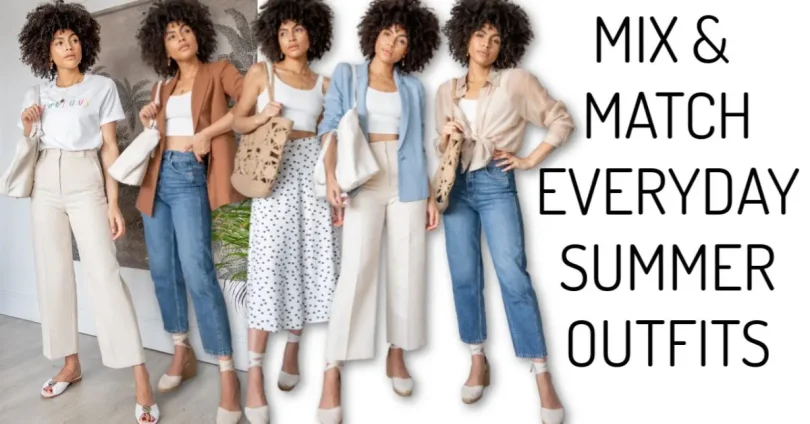
The Importance of Versatile Outfits
- Maximizes the use of existing wardrobe pieces.
- Reduces the need for frequent shopping while maintaining style.
- Encourages a more sustainable approach to fashion.
How Mix-and-Match Styling Saves Time and Adds Creativity
- Simplifies daily outfit decisions by creating ready-to-go combinations.
- Encourages experimenting with new looks using familiar items.
- Helps develop a personal style by exploring patterns, colors, and textures.
Purpose of This Guide
- Inspire readers to think creatively about their wardrobe.
- Provide practical tips for mixing pieces effectively.
- Demonstrate how to build versatile, stylish outfits without overloading the closet.
Wardrobe Essentials for Mixing and Matching
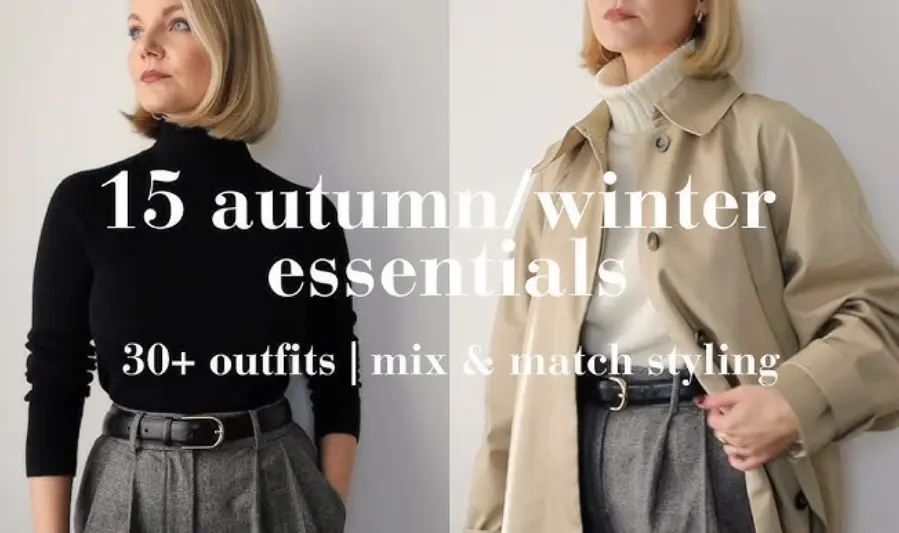
Basic Tops
Key Pieces
- White T-shirts for casual or layered looks.
- Neutral blouses (beige, black, gray) for versatile office or smart-casual outfits.
- Simple tank tops for layering under jackets or cardigans.
Styling Tips
- Pair white tees with skirts, jeans, or tailored trousers.
- Use neutral blouses for both work and casual settings.
- Layer tank tops under blazers or vests for a polished yet effortless look.
Bottoms
Key Pieces
- Jeans in classic cuts: skinny, straight-leg, or relaxed fit.
- Skirts: pencil, A-line, or midi for versatile styling.
- Tailored trousers in neutral colors for work or formal occasions.
Styling Tips
- Mix and match with tops of different textures and colors.
- Use skirts and trousers to transition from office to casual outings.
- Jeans can be dressed up with blazers or dressed down with T-shirts.
Outerwear
Key Pieces
- Blazers for professional or smart-casual looks.
- Denim jackets for casual and street-style outfits.
- Cardigans for layering and adding dimension.
- Vests for a trendy, modern touch.
Styling Tips
- Layer outerwear over basic tops and dresses to instantly elevate an outfit.
- Mix textures and lengths to create dynamic, fashionable combinations.
Shoes
Key Pieces
- Sneakers for casual and athleisure styles.
- Flats for comfort without compromising style.
- Heels for formal or professional occasions.
- Ankle boots for versatile seasonal looks.
Styling Tips
- Match shoes to outfit formality and color palette.
- Use footwear to transform casual staples into polished ensembles.
Essentials as a Foundation
- These wardrobe staples provide flexibility for multiple outfit combinations.
- Mixing and matching basics with statement pieces maximizes style options.
- Investing in high-quality essentials ensures long-lasting versatility.
Playing with Colors

Pairing Neutrals with Bold or Bright Colors
Key Tips
- Use neutrals (white, black, beige, gray) as a base to highlight bold hues.
- Add a single bright piece, like a top, skirt, or accessory, to create visual interest.
- Balance outfits by keeping one or two statement colors per look.
Using Complementary or Contrasting Color Schemes
Complementary Colors
- Colors opposite each other on the color wheel (e.g., blue and orange, purple and yellow).
- Creates vibrant, eye-catching outfits without being overwhelming.
Contrasting Colors
- Pairing light and dark tones, or warm and cool colors.
- Adds dimension and depth to your look while keeping it stylish.
Tips for Mixing Patterns Without Clashing
- Stick to one dominant pattern and pair it with subtle or neutral prints.
- Keep a consistent color palette across patterns for cohesion.
- Mix different scales of patterns (e.g., small polka dots with large stripes) for visual harmony.
Seasonal Color Palettes for Fresh Outfit Ideas
Spring
- Soft pastels, florals, and light neutrals.
Summer
- Bright, bold colors paired with crisp whites and light fabrics.
Fall
- Earthy tones, warm neutrals, and muted shades.
Winter
- Deep jewel tones, classic black, gray, and navy with pops of color.
Mixing Patterns and Textures
Pairing Patterns
Key Tips
- Combine stripes, florals, polka dots, and plaids carefully to avoid visual clutter.
- Start with one dominant pattern and add smaller-scale patterns as accents.
- Keep some elements neutral to balance bold patterns.
Combining Fabrics
Popular Pairings
- Silk with denim for a mix of softness and structure.
- Leather with knitwear for edgy yet cozy looks.
- Cotton with linen for casual, breathable outfits.
Styling Tips
- Mix textures with contrasting weights to create visual interest.
- Use heavier fabrics in layers and lighter fabrics underneath for balance.
Unifying Outfits with Color
- Use one consistent color across different patterns and textures to maintain cohesion.
- Neutral tones like black, white, beige, or navy help tie diverse elements together.
Layering Textures for Depth and Style
- Layering different textures adds dimension and sophistication to simple outfits.
- Examples: knit cardigan over a silk blouse, denim jacket over a cotton dress, leather vest with a soft T-shirt.
- Experimenting with textures enhances creativity in everyday mix-and-match styling.
Layering for Versatility
Essential Layering Pieces
Key Items
- Cardigans: Soft, lightweight layers for casual or office settings.
- Blazers: Structured layers that elevate casual or work outfits.
- Jackets: Denim, leather, or utility jackets for an edgy or practical touch.
- Vests: Modern layering piece for style and dimension.
Accessories as Layering Tools
Key Tips
- Scarves: Add color, pattern, and warmth; can be draped, knotted, or tied creatively.
- Belts: Define the waist over cardigans, dresses, or long tops.
- Other Accessories: Hats, statement jewelry, or layered necklaces to add depth and style.
Transitioning Outfits
- Layering allows outfits to shift from casual to office-appropriate with a blazer or tailored jacket.
- Easily transition day-to-night looks by swapping outerwear or adding accessories.
- Adapt layering based on temperature, occasion, or desired style.
Playing with Proportions and Lengths
- Mix long and short layers to create visual interest and balance.
- Examples: long cardigan over a cropped top, blazer over a flowy dress.
- Layering with varied lengths adds a modern, fashion-forward touch.
Accessories to Complete the Look
Statement Jewelry
Key Pieces
- Necklaces: bold chains, layered pieces, or pendants.
- Earrings: hoops, studs, or statement drop earrings.
- Bracelets: bangles, cuffs, or layered wristwear.
Styling Tips
- Use jewelry to highlight key areas of an outfit.
- Pair statement pieces with neutral clothing or simpler patterns for balance.
Hats, Scarves, and Belts
Hats
- Fedoras, berets, or wide-brim hats for style and personality.
Scarves
- Add color, texture, or pattern; can be draped, knotted, or tied creatively.
Belts
- Define the waist over dresses, cardigans, or oversized tops.
- Adds structure and polish to layered or loose-fitting outfits.
Bags and Shoes
- Choose bags that complement the outfit’s color palette and style.
- Footwear options (sneakers, flats, boots, heels) can shift the outfit from casual to formal.
- Coordinate textures and materials with clothing for a cohesive look.
Using Accessories to Unify Mixed Patterns and Textures
- Select one color or material from the outfit for accessories to tie everything together.
- Use neutral or metallic tones to balance bold patterns or clashing textures.
- Accessories act as visual anchors, creating harmony in mix-and-match styling.
Outfit Ideas and Inspiration
Casual Looks
- Example Outfit: T-shirt + jeans + denim jacket + sneakers
- Styling Tips:
- Add a scarf or simple jewelry to elevate the look.
- Roll up jeans or layer a vest for added dimension.
Office-Appropriate Outfits
- Example Outfit: Blouse + tailored trousers + blazer + heels
- Styling Tips:
- Mix textures like silk blouses with structured trousers for sophistication.
- Accessorize minimally with a watch or stud earrings for a polished finish.
Weekend Brunch or Day Outfits
- Example Outfit: Knit top + floral skirt + ankle boots
- Styling Tips:
- Layer with a light cardigan or denim jacket for versatility.
- Choose neutral accessories to balance patterns.
Evening or Night-Out Looks
- Example Outfit: Silk camisole + leather pants + statement necklace
- Styling Tips:
- Add a tailored blazer or shawl for a chic touch.
- Metallic or bold-colored heels can elevate the ensemble.
Mix-and-Match Suggestions
- Combine multiple wardrobe pieces in unexpected ways (e.g., skirts with casual tees, blazers over dresses).
- Use color coordination and layering to unify diverse patterns and textures.
- Accessorize strategically to tie outfits together and express personal style.
you may also like to read these posts:
Phát triển kỹ năng nghề thủ công
Mundo ng Bukas: Ang Papel ng Inobasyon sa Pag-unlad
Smart Budget Planning for Families: A Practical Guide to Financial Harmony
Discover the Beauty of Indonesian Traditional Fashion Styles
Seasonal Mix-and-Match Tips
Summer
- Key Fabrics and Pieces: Light fabrics like cotton, linen, and chambray; flowy skirts and dresses.
- Color Palette: Bright colors, pastels, and tropical prints.
- Styling Tips:
- Layer with lightweight cardigans or kimonos for air-conditioned spaces.
- Pair sandals or sneakers with casual outfits for comfort and style.
Fall
- Key Fabrics and Pieces: Layered jackets, knit sweaters, scarves, and ankle boots.
- Color Palette: Earthy tones, muted shades, and warm neutrals.
- Styling Tips:
- Mix textures like leather, denim, and wool for depth.
- Add belts or hats to complete layered looks.
Winter
- Key Fabrics and Pieces: Knitwear, coats, textured layering (e.g., wool, fleece, velvet).
- Color Palette: Dark neutrals, jewel tones, and classic winter shades.
- Styling Tips:
- Layer multiple pieces strategically for warmth and style.
- Accessories like scarves, gloves, and boots add function and flair.
Spring
- Key Fabrics and Pieces: Lightweight layering pieces, cotton, chiffon, and soft knits.
- Color Palette: Pastels, floral patterns, and soft neutrals.
- Styling Tips:
- Mix prints and textures lightly to reflect the season’s freshness.
- Use light jackets or cardigans to transition between cool mornings and warm afternoons.
Building a Versatile Wardrobe
Invest in Key Staples
- Essential Pieces:
- Basic tops: white tees, neutral blouses, simple tanks
- Bottoms: jeans, tailored trousers, skirts in versatile colors
- Outerwear: blazers, denim jackets, cardigans, vests
- Shoes: sneakers, flats, ankle boots, heels
- Tips:
- Choose high-quality fabrics that last through multiple seasons.
- Stick to neutral colors for maximum mix-and-match potential.
Mixing Basics with Statement Pieces
- Pair neutral basics with bold patterns, textures, or statement accessories.
- Incorporate seasonal or trendy items without overcrowding the wardrobe.
- Use layering to combine multiple pieces in creative ways.
Keeping Your Wardrobe Flexible and Organized
- Organization Tips:
- Arrange clothes by type, color, or season for easy access.
- Rotate seasonal pieces to avoid clutter.
- Flexibility Tips:
- Focus on versatile items that can transition from casual to office or day-to-night looks.
- Prioritize items that complement multiple outfits.
- Style Tip:
- Periodically reassess your wardrobe to remove pieces you no longer wear and make room for versatile, stylish essentials.
Faqs:
What is mix and match fashion?
Mix and match fashion is the art of combining different clothing pieces, colors, patterns, and textures to create multiple stylish outfits using a limited wardrobe.
How can I mix and match outfits without clashing?
Stick to one statement piece at a time, balance colors (neutral + bright), and unify the look with consistent accessories or layers to avoid clashing.
What are the best wardrobe essentials for mix and match outfits?
Wardrobe essentials include basic tops, versatile bottoms, outerwear like blazers and cardigans, and neutral shoes, which can be combined in endless ways.
How can accessories enhance mix and match outfits?
Accessories like scarves, jewelry, belts, hats, and bags add personality, tie together colors and patterns, and elevate even the simplest combinations.
Can mix and match outfits work for all seasons?
Yes! Adapt outfits by layering in fall and winter, using light fabrics in summer, and incorporating seasonal colors and textures for spring, making your wardrobe versatile year-round.
Conclusion
Mix and match outfit inspiration empowers you to create endless stylish looks with the pieces you already own. By experimenting with colors, patterns, textures, layering, and accessories, you can elevate your wardrobe, express your personal style, and stay effortlessly chic for any occasion. With a versatile approach, fashion becomes both creative and practical.