
Introduction
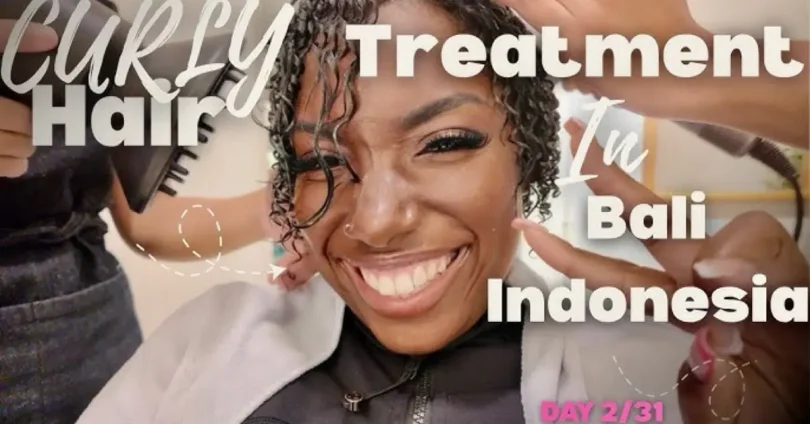
Indonesia is renowned not only for its rich culture and breathtaking landscapes but also for its time-honored hair care traditions. For generations, Indonesians have relied on natural ingredients like coconut oil, tamarind, hibiscus, and herbal roots to maintain healthy, shiny, and strong hair.
Natural hair care Indonesian style emphasizes nourishing the hair and scalp without relying on harsh chemicals or synthetic treatments. These age-old practices harness the power of plants and natural oils to promote hair growth, prevent damage, and enhance shine.
For those looking to embrace healthier hair routines, exploring natural hair care Indonesian style offers a gentle, sustainable, and effective approach that honors centuries of tradition while supporting modern hair health.
Understanding Hair Health

Healthy hair starts with understanding its unique needs. By knowing your hair type and common challenges, you can select natural remedies and practices that support strong, shiny, and manageable hair.
Importance of Knowing Hair Type
Identifying your hair type helps you choose the right care routine and natural treatments:
- Oily Hair: Scalp produces excess oil; benefits from light oils like coconut or aloe vera gel.
- Dry Hair: Lacks moisture; thrives on deep conditioning with natural oils such as avocado or tamarind paste.
- Normal Hair: Balanced scalp and strands; requires gentle, maintenance-focused care.
- Curly Hair: Prone to frizz and dryness; benefits from hydrating masks and oils like argan or coconut.
- Straight Hair: Easier to manage but may show oiliness quickly; regular cleansing and light conditioning help maintain shine.
Knowing your hair type ensures that natural treatments work effectively rather than causing buildup or dryness.
Common Hair Problems and How Natural Methods Can Help
- Hair Fall: Coconut oil massages, hibiscus masks, and herbal rinses strengthen roots and reduce breakage.
- Dull Hair: Regular use of natural conditioners like aloe vera, tamarind, or honey restores shine.
- Frizz and Split Ends: Oils and hydrating masks smooth the hair cuticle and improve manageability.
- Dandruff and Scalp Irritation: Herbal treatments such as neem, lime juice, and tea tree-infused oils soothe and cleanse naturally.
Natural remedies are gentle, free of harsh chemicals, and often packed with vitamins and antioxidants that nourish both scalp and strands.
How Lifestyle Impacts Hair Health
Your daily habits play a significant role in hair vitality:
- Diet: Protein-rich foods, nuts, and leafy greens support strong hair growth.
- Hydration: Drinking enough water keeps hair hydrated and prevents dryness.
- Stress Management: Excess stress can lead to hair loss; practices like meditation and exercise help maintain balance.
- Sleep: Adequate rest allows the scalp to repair and promotes healthy hair cycles.
By combining natural remedies with a healthy lifestyle, you can enhance your hair’s strength, shine, and overall health — embracing the essence of natural hair care Indonesian style.
Traditional Indonesian Hair Care Ingredients
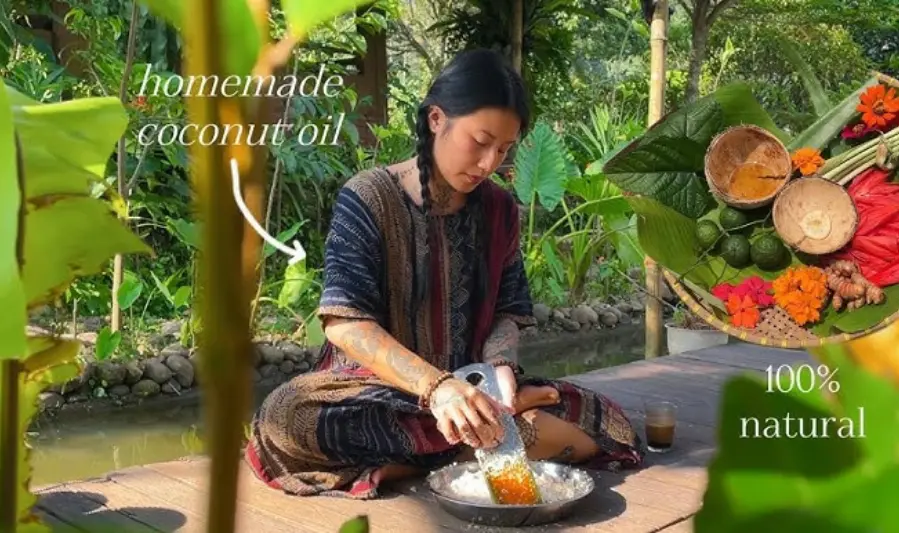
Indonesia’s natural hair care traditions rely on locally-sourced plants, herbs, and oils. These ingredients are nutrient-rich and gentle, providing hydration, strength, and shine without harsh chemicals.
Coconut Oil (Kelapa)
Benefits
- Deeply moisturizes and nourishes dry hair.
- Strengthens strands and reduces breakage.
- Adds natural shine and smoothness.
How to Apply and Tips
- Warm a small amount of coconut oil.
- Massage into scalp and hair from roots to tips.
- Leave on for at least 30 minutes (or overnight for deep treatment).
- Wash out with a mild shampoo.
Tip: Use 2–3 times per week for best results, focusing on dry ends.
Herbal Hair Rinses
Common Ingredients
- Hibiscus: Promotes hair growth and adds shine.
- Pandan: Strengthens hair and reduces frizz.
- Tea Leaves (black or green): Helps with scalp health and adds luster.
Benefits and Step-by-Step Use
- Boil chosen herbs in water for 10–15 minutes.
- Let the mixture cool to a comfortable temperature.
- Pour over clean, damp hair after shampooing.
- Leave for 5–10 minutes before rinsing lightly or leaving it in for natural conditioning.
Tip: Use once a week to enhance shine and scalp health.
Rice Water Treatments
Benefits
- Stimulates hair growth and reduces hair fall.
- Smooths hair and increases strength and elasticity.
- Adds natural volume and shine.
How to Prepare and Use
- Rinse ½ cup of rice thoroughly and soak in 1–2 cups of water for 30 minutes.
- Strain the water into a bowl.
- Apply to hair and scalp after shampooing.
- Leave for 20–30 minutes, then rinse with lukewarm water.
Tip: Use weekly for noticeable improvements in hair texture and growth.
Aloe Vera
Benefits
- Deep hydration for dry hair.
- Soothes irritated or itchy scalp.
- Adds natural shine and smoothness.
Application Methods
- Extract fresh aloe vera gel from the leaf.
- Apply directly to scalp and hair, massaging gently.
- Leave for 30–60 minutes, then rinse thoroughly.
Tip: Combine aloe vera with coconut oil or honey for added nourishment.
Other Natural Ingredients
- Temulawak (Javanese Turmeric): Reduces scalp inflammation and strengthens hair.
- Moringa: Rich in vitamins and antioxidants, promotes hair growth and health.
- Lime: Cleanses the scalp, controls oiliness, and enhances shine.
- Honey: Moisturizes, smooths, and protects hair from damage.
Tip: These ingredients can be mixed into hair masks or rinses for targeted benefits, depending on your hair needs.
Daily Hair Care Practices
Maintaining healthy hair starts with simple, consistent daily habits. Incorporating gentle routines and natural ingredients can strengthen hair, promote growth, and enhance shine without relying on harsh chemicals.
Gentle Cleansing and Conditioning Routines
- Cleansing: Use a mild, sulfate-free shampoo or natural cleansers like herbal rinses. Avoid washing hair too frequently; 2–3 times a week is ideal for most hair types.
- Conditioning: After washing, apply a natural conditioner or a small amount of coconut or aloe vera gel to keep strands hydrated and smooth.
- Tip: Always rinse with cool or lukewarm water to seal the hair cuticle and maintain shine.
Avoiding Harsh Chemicals and Heat Styling
- Chemical treatments: Limit use of coloring, bleaching, and perming products that weaken hair.
- Heat styling: Minimize blow-drying, straightening, or curling to prevent breakage.
- Tip: If heat is necessary, always apply a natural heat-protectant like a light layer of coconut oil.
Using Natural Oils for Hair Massage
- Regular scalp massages stimulate blood flow, strengthen roots, and promote hair growth.
- Popular natural oils: Coconut oil, argan oil, and tamarind oil.
- Method:
- Warm 1–2 teaspoons of oil.
- Massage gently into the scalp using circular motions.
- Leave for 30 minutes or overnight, then wash with a mild shampoo.
- Frequency: 2–3 times per week for optimal results.
Scalp Care Tips for Beginners
- Keep the scalp clean and exfoliated using gentle herbal scrubs or rinses.
- Avoid scratching or using harsh tools on the scalp.
- Hydrate the scalp naturally with aloe vera or light oils to prevent dryness and irritation.
- Monitor scalp health regularly — a healthy scalp is the foundation of strong, shiny hair.
Diet and Lifestyle for Healthy Hair
Beautiful, strong hair isn’t just about what you apply externally — your diet and lifestyle play a crucial role in maintaining hair health. Proper nutrition, hydration, and stress management complement natural hair care routines.
Nutrients Essential for Hair Growth
Hair is primarily made of protein (keratin), so consuming the right nutrients supports growth and strength:
- Protein: Eggs, fish, chicken, tempeh, tofu — vital for hair structure and repair.
- Vitamins:
- Vitamin A: Promotes scalp health (found in carrots, sweet potatoes, leafy greens).
- Vitamin C: Supports collagen production and antioxidant protection (citrus fruits, guava, bell peppers).
- Vitamin E: Improves circulation and hair shine (nuts, seeds, spinach).
- Minerals:
- Zinc: Prevents hair loss and supports follicle health (pumpkin seeds, lentils).
- Iron: Carries oxygen to hair follicles (red meat, spinach, tempeh).
- Selenium: Protects against oxidative damage (brazil nuts, seafood).
Herbal Teas and Natural Supplements for Hair Strength
- Herbal teas: Hibiscus, green tea, and moringa teas provide antioxidants and vitamins that nourish hair from within.
- Natural supplements: Moringa powder, turmeric, and kelp can strengthen hair, improve growth, and reduce hair fall when consumed regularly.
- Tip: Combine these teas and supplements with a balanced diet for best results.
Importance of Hydration and Stress Management
- Hydration: Drinking 6–8 glasses of water daily keeps hair hydrated, preventing dryness and breakage.
- Stress Management: Chronic stress increases hair fall and slows growth. Practices like meditation, yoga, and deep breathing help maintain a healthy hair cycle.
- Sleep: Adequate rest allows the scalp to repair and supports overall hair vitality.
DIY Hair Treatments and Masks
Creating your own hair treatments at home is a gentle, effective way to nourish and strengthen your hair using natural ingredients. These DIY masks and rinses are inspired by traditional Indonesian hair care practices.
Coconut Oil Hair Mask
Benefits
- Deeply moisturizes dry hair.
- Strengthens strands and prevents breakage.
- Adds natural shine and smoothness.
How to Prepare and Apply
- Warm 2–3 tablespoons of coconut oil.
- Massage gently into scalp and hair from roots to ends.
- Cover hair with a shower cap and leave for 30 minutes to overnight.
- Rinse thoroughly with a mild shampoo.
Recommended Frequency: 2–3 times per week.
Rice Water Rinse
Benefits
- Promotes hair growth.
- Smooths hair and improves strength.
- Adds volume and natural shine.
How to Prepare and Use
- Rinse ½ cup of rice thoroughly and soak in 1–2 cups of water for 30 minutes.
- Strain the water into a bowl.
- After shampooing, pour rice water over damp hair.
- Leave for 20–30 minutes, then rinse with lukewarm water.
Recommended Frequency: Once per week for noticeable results.
Herbal Hair Treatments
Ingredients and Benefits
- Hibiscus: Stimulates hair growth and reduces split ends.
- Pandan: Strengthens hair and adds shine.
- Neem or Tea Leaves: Soothes scalp irritation and promotes healthy hair.
How to Prepare and Apply
- Boil selected herbs in 2 cups of water for 10–15 minutes.
- Let the mixture cool to a comfortable temperature.
- Pour over clean, damp hair and leave for 5–10 minutes.
- Rinse lightly or leave in for conditioning effects.
Recommended Frequency: Once a week.
Safety Tips for Sensitive Scalps
- Always patch test a new ingredient on a small area of the scalp before full application.
- Avoid using harsh acids (like concentrated lemon) directly on sensitive or irritated scalp.
- Use lukewarm water, not hot water, to prevent scalp dryness.
- Reduce frequency if irritation or redness occurs.
Common Mistakes to Avoid
Even when following natural hair care practices, certain habits can prevent your hair from achieving its full potential. Avoiding these mistakes helps maintain healthy, strong, and shiny hair.
Over-Washing or Over-Exfoliating Hair
- Problem: Frequent washing strips natural oils, leaving hair dry and brittle. Over-exfoliating the scalp can cause irritation and sensitivity.
- Solution:
- Wash hair 2–3 times per week with mild or herbal shampoos.
- Limit scalp exfoliation to once a week using gentle herbal scrubs or masks.
Excessive Heat Styling or Chemical Use
- Problem: Regular blow-drying, straightening, curling, or chemical treatments (bleaching, perming) weaken hair, causing breakage and split ends.
- Solution:
- Embrace natural hair drying whenever possible.
- Apply a light natural oil before any heat styling for protection.
- Minimize chemical treatments or choose gentle, plant-based alternatives.
Ignoring Scalp Care or Diet
- Problem: Neglecting scalp health or nutrition can lead to hair fall, dullness, and slow growth.
- Solution:
- Massage scalp with natural oils regularly to improve blood circulation.
- Include protein, vitamins, and minerals in your diet to support hair growth.
- Stay hydrated and manage stress for overall hair vitality.
you may also like to read these posts:
Phát triển kỹ năng nghề thủ công
Mundo ng Bukas: Ang Papel ng Inobasyon sa Pag-unlad
Smart Budget Planning for Families: A Practical Guide to Financial Harmony
Discover the Beauty of Indonesian Traditional Fashion Styles
Long-Term Benefits of Natural Hair Care
Embracing natural hair care practices consistently can provide lasting improvements in hair health, shine, and strength. Unlike chemical-based treatments, natural remedies work gently and sustainably over time.
Stronger, Shinier, and Healthier Hair
- Regular use of coconut oil, aloe vera, rice water, and herbal rinses nourishes hair from root to tip.
- Hair becomes more resilient, with reduced breakage and improved texture.
- Natural ingredients enhance natural shine, leaving hair soft and vibrant.
Reduced Hair Fall and Split Ends
- Scalp massages with natural oils improve circulation, strengthening hair roots.
- Herbal treatments and nutrient-rich masks reduce hair fall and minimize split ends.
- Consistent gentle care prevents damage caused by harsh chemicals or heat styling.
Sustainable and Eco-Friendly Hair Care Routine
- Using locally-sourced, plant-based ingredients reduces dependency on chemical products.
- Natural remedies are biodegradable and environmentally friendly.
- Long-term adoption of these practices supports both healthy hair and a sustainable lifestyle.
Faqs:
What is natural hair care Indonesian style?
Natural hair care Indonesian style involves using traditional herbal ingredients, oils, and natural remedies like coconut oil, rice water, aloe vera, and herbal rinses to maintain healthy, strong, and shiny hair.
How often should I use coconut oil for hair?
For best results, apply coconut oil 2–3 times a week. Massage it into the scalp and leave it for 30 minutes or overnight before washing with a mild shampoo.
Can rice water really improve hair growth?
Yes, rice water is rich in vitamins and minerals that strengthen hair strands, improve texture, and promote hair growth when used regularly 2–3 times per week.
Are herbal hair rinses suitable for all hair types?
Absolutely! Herbal rinses made from hibiscus, pandan leaves, or tea can be adapted for oily, dry, or normal hair and help improve scalp health and shine naturally.
How long does it take to see results from Indonesian natural hair care?
With consistent use of natural treatments and a healthy hair routine, you can usually see improvements in strength, shine, and overall hair health within 4–6 weeks.
Conclusion
Embracing natural hair care Indonesian style is a gentle and effective way to achieve strong, shiny, and healthy hair. By using traditional ingredients like coconut oil, rice water, aloe vera, and herbal rinses, combined with regular scalp care and a balanced diet, you can maintain beautiful hair without relying on harsh chemicals. Consistency and patience are key—start incorporating these natural remedies into your routine today and enjoy the timeless secrets of Indonesian hair care.